

We independently consider all advisable services. Any services or products put ahead seem in no explicit order. for those who click on on hyperlinks we offer, we could obtain compensation.
The Sixties males’s style period stands as a exceptional interval of transition and innovation, setting the stage for the varied and expressive kinds that outline fashionable menswear to at the present time.
This decade was marked by a dynamic shift from the conservative, tailor-made seems to be of the Nineteen Forties and early Nineteen Fifties to extra widespread and mainstream eclectic, daring expressions. To not point out big history-changing moments, just like the US touchdown on the moon, the start and celebrity rise of Muhammad Ali, the British Invasion (the popularization of UK music like The Beatles and Rolling Stones), the JFK assassination, the civil rights motion, and Dr. Martin Luther King – really, the listing goes on. All of those occasions modified the historical past of Western civilization and, in some instances, the world, which left its heavy mark on ’60s males’s style.
As we delve into the world of 60s males’s style, we uncover a wealthy tapestry of kinds that mirror the social and cultural revolutions of the time. From the sharp silhouettes of Mod fits to the informal ease of bell-bottom denims and turtlenecks, Sixties style provided an unprecedented exploration of private model and freedom of expression.
Hold studying to find the important parts of Sixties menswear, highlighting key tendencies, influential figures, and the lasting affect of the last decade’s style improvements on right now’s model panorama.
Key Takeaways
The Sixties marked a pivotal decade in males’s style, characterised by an unprecedented break from conventional kinds to extra numerous and expressive types of gown. This period witnessed the broader emergence of youth-driven subcultures, the hippie motion, the house motion, influences from Japanese cultures, and the rising informal motion – all with their distinct kinds, influencing mainstream style in profound methods. An important shift was the motion away from an understood ‘uniform.’ Women and men alike have been beginning to gown with individualism and creativity as their high priorities.
From the sharp, tailor-made fits of the early ’60s to the psychedelic patterns and informal put on that outlined the late ’60s, males’s style skilled a revolution. The last decade additionally noticed the rise of influential designers who challenged and reshaped the conventions of males’s apparel, making the Sixties a foundational interval for contemporary menswear.

Sixties Males’s Style: A Transient Background
The Sixties marked an era-long change in males’s style, reflecting the last decade’s dynamic social and cultural shifts. Early within the decade, males’s model was characterised by the continuation of the Nineteen Fifties’ sharp magnificence—assume slim-cut fits, skinny ties, tighter-fitting pants, and the polished “Mad Males” aesthetic. This era underscored a conservative but refined strategy to menswear, with bespoke tailoring at its core.
As the last decade progressed, the emergence of the British Invasion and the Mod motion signaled a shift in the direction of younger and unconventional kinds. These influences launched tighter suits, brighter colours, and novel patterns, distancing males’s style from its conservative roots.
The late ’60s diverged farther from traditionalism, propelled by counterculture actions and a burgeoning cross-ocean music scene. Psychedelic prints, turtlenecks, bell bottoms, and an elevated use of denim underscored a rising choice for informal and expressive clothes. This period not solely challenged the established order but additionally laid the groundwork for the variety and experimentation that might outline future menswear, emphasizing individuality and freedom of expression by way of style.
Our Favourite Sixties Males’s Style Staples
Slide

Drake’s
Chevron Rugby Shirt
Slide

Billy Reid
Flat Entrance Trouser
Slide

Slide

Males’s Style within the Sixties: Model Necessities

Fits
Early ’60s males’s style favored a continuation of the Nineteen Fifties’ tailor-made, straight-cut fits, epitomized by the smooth, structured silhouettes with rounded jacket corners and three button closures. These fits have been characterised by narrow-er lapels, a slim waist, and a refined taper by way of the legs, selling a pointy and polished picture. Materials have been usually conservative—wools, worsteds, and flannels in shades of grey, blue, and black dominated the palette.
Because the 60s wore on, the affect of the British Mod tradition grew to become more and more obvious in swimsuit designs. This period launched extra adventurous kinds, together with the enduring Mod swimsuit, which featured even slimmer lapels, a tighter match, and sometimes got here in brighter colours or daring patterns.
By the late ’60s, the swimsuit had begun to loosen up, each figuratively and actually. The counterculture motion, with its emphasis on individuality and anti-conformity, led to a diversification of swimsuit kinds from a resurgence in thrifting and second-hand shops. This meant quite a lot of the Nineteen Thirties males’s style and early 40s (even the Edwardian eras) have been being integrated into males’s wardrobes in new methods.
As younger males grew more and more uninterested in the normal ‘males’s uniform,’ the peacock revolution started taking maintain. This meant that wilder kinds and sometimes extra female options like lace and frills have been experimented with – all within the title of individualism. Supplies like velvet and silk grew to become extra frequent, and fits have been usually worn in much less formal methods, paired with turtlenecks and even open-collared shirts for a mix of sophistication and informal aptitude.
Shirts
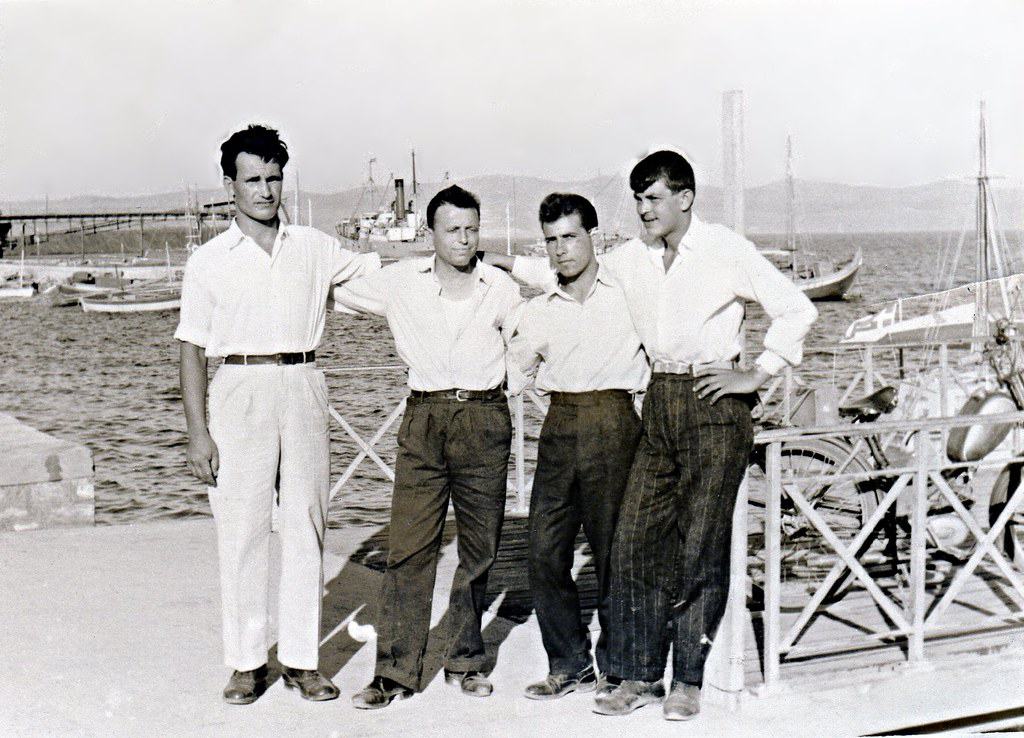
The Sixties noticed a big evolution in males’s shirt kinds, transferring from the normal gown shirts of the early years to actually wild and expressive varieties.
Initially, the last decade continued the choice for crisp, well-fitted gown shirts, usually that includes conservative colours like white, gentle blue, and pale pink. These shirts have been usually worn with slim ties, complementing the tailor-made fits of the interval. The early ’60s shirts emphasised a clear {and professional} look, with pointed collars and single-button cuffs being commonplace.
Mid-decade modifications launched a brand new wave of blouse designs. Excessive-fashion shirts with daring patterns, contrasting collars, and French cuffs grew to become standard among the many youthful, fashion-forward crowd. The Mod affect was evident within the reputation of button-down collars, polka dots, geometric, psychedelic, and stripes, providing a contemporary tackle the normal shirt.
Denim shirts and turtlenecks additionally grew to become staples in a person’s informal wardrobe, marking a departure from the extra formal kinds that had dominated earlier within the decade. These modifications underscored a shift in the direction of extra informal and expressive style, mirroring the broader societal transfer in the direction of individualism and private freedom.

Pants
Males’s pants within the Nineteen Fifties began with a continued choice for tailor-made, slim-fitting trousers, which complemented the smooth traces of early ’60s fits. These trousers have been usually high-waisted, constituted of wool or wool blends, and featured a slight taper in the direction of the hem, creating a sophisticated and refined silhouette.
With Mod tradition got here a sharper, younger look to males’s pants. Slimmer cuts grew to become much more pronounced, and the introduction of lower-rise trousers provided a contemporary twist to the traditional silhouette. Colours and patterns grew to become bolder, with checks, stripes, and even houndstooth patterns including selection to males’s wardrobes. The Mod scene additionally popularized the usage of brighter and extra unconventional colours, breaking away from the normal neutrals.
The late ’60s led to a big shift in the direction of informal and expressive kinds, considerably influenced by the counterculture motion. Bell bottoms and flared trousers emerged as symbols of the period, usually crafted from denim, corduroy, or different sturdy supplies. These pants, characterised by their dramatic flare from the knee down, grew to become synonymous with the liberty and revolt of the interval.
Moreover, the introduction of informal slacks and chinos, popularized from the ‘preppy motion and Twenties males’s style from the UK, additionally offered males with extra relaxed alternate options for on a regular basis put on, transferring away from the strict formalities of earlier years.

Sweaters & Knitwear
Early within the Sixties, males’s sweaters have been usually conservative, usually worn over gown shirts and ties for a layered look that added each heat and a contact of sophistication. V-neck and crew neck kinds in tremendous wool or cashmere have been standard, accessible in a spread of muted colours like navy, gray, and burgundy. These traditional items have been important for the well-dressed man, complementing the tailor-made fits and crisp shirts of the time.
Youth tradition and the Mod motion launched extra vibrant colours, daring patterns, and new textures to males’s knitwear. The mid-Sixties noticed the rise of the turtleneck sweater as a classy different to conventional collared shirts, embodying a mix of sophistication and modernity. This era additionally welcomed the introduction of geometric patterns and stripes in knitwear, providing a playful departure from earlier, extra subdued kinds.
Cable knit sweaters, cardigans, and chunky roll-necks grew to become staples, usually featured in wealthy, earthy tones or shiny, psychedelic colours. These items weren’t solely snug but additionally versatile, simply paired with the period’s flared trousers and denim for a relaxed but modern look.
Additionally, the advances in artificial fibers allowed for brand spanking new textures and varieties in knitwear, increasing the probabilities for modern designs.
Jackets & Outerwear
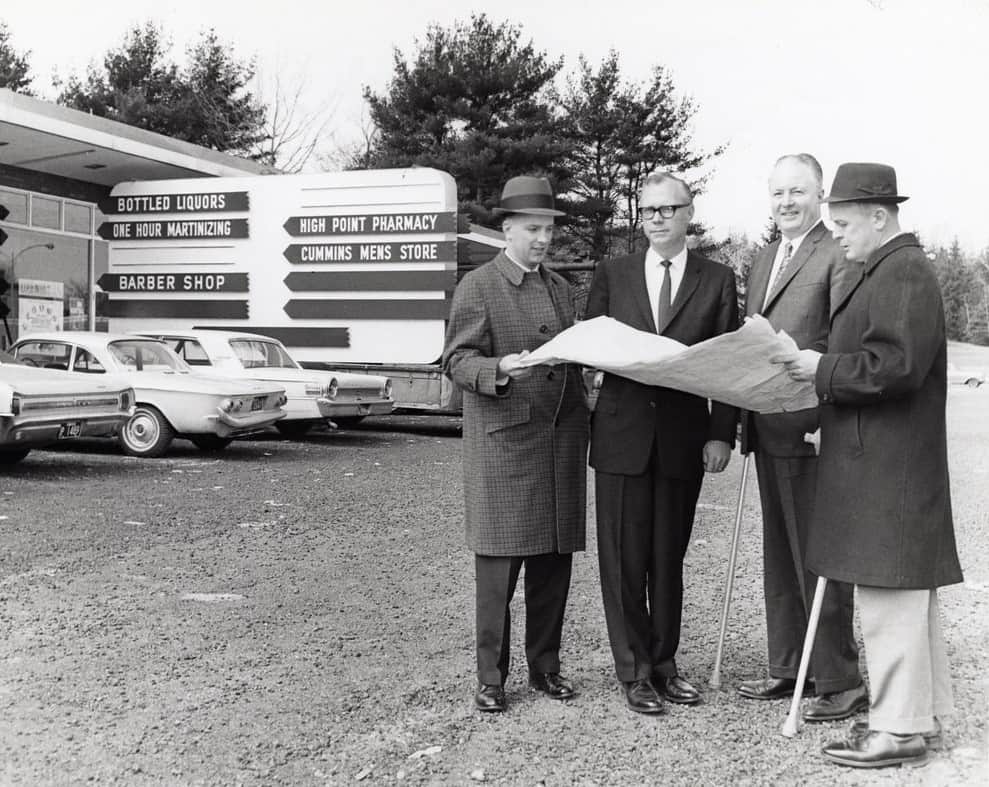
Males’s jackets within the early Sixties remained comparatively conservative, with traditional kinds such because the single-breasted overcoat, the ditch coat, and the Harrington jacket reigning supreme. These items have been designed for performance and flexibility, usually crafted in impartial colours to enhance the normal fits and formal put on of the time.
Then got here the enduring parka, a staple of Mod style, providing each heat and a particular model when driving on scooters. Leather-based jackets, impressed by the rock and roll tradition, additionally continued in reputation, including an edge to the extra polished Mod seems to be. Moreover, the bomber jacket transitioned from army put on to mainstream style, favored for its informal model and practicality.
The late ’60s noticed an explosion of selection in males’s outerwear, reflecting the period’s broader development in the direction of casualization and self-expression. The peacoat or different army coats grew to become a trendy selection for its traditional look and heat, whereas suede and fringe jackets embraced the bohemian and psychedelic influences of the time.
Vivid colours, daring patterns, and unconventional supplies like velvet and artificial materials began appearing, difficult conventional notions of menswear.
This era additionally witnessed the rise of the safari jacket, an merchandise that mixed performance with a way of journey, usually that includes a number of pockets and a belt. Impressed by army and out of doors clothes, the safari jacket embodied the last decade’s rising curiosity in leisure and journey, additional diversifying males’s outerwear choices.

Footwear
At first of the Sixties, males continued favoring traditional footwear designs similar to Oxford footwear, loafers, and brogues. These footwear, usually crafted in leather-based and polished to a excessive shine, complemented the tailor-made fits and formal apparel that dominated early ’60s menswear.
Nevertheless, Chelsea boots made a break on the scene within the mid-Sixties, with their smooth design and elastic sides. They rapidly grew to become synonymous with the Mod model, providing a contemporary different to extra typical footwear decisions. The Cuban heel, barely greater than conventional heels, added a component of aptitude and was usually seen on boots and footwear alike, reflecting the period’s shifting style sensibilities.
By the mid to late ’60s, the counterculture motion launched a extra informal and eclectic strategy to footwear. The desert boot gained reputation for its consolation and flexibility, simply transitioning from formal to informal put on. Moreover, the rise of the hippie motion introduced sandals and different open footwear into mainstream males’s style for the primary time, emphasizing a reference to nature and a extra relaxed life-style.

Males’s Formalwear within the Sixties
Males’s formalwear within the Sixties – no less than within the early a part of the last decade – adhered intently to the conventions established within the Nineteen Fifties, with a give attention to smooth, well-tailored fits, crisp gown shirts, and conservative equipment. The silhouette was slim, emphasizing clear traces and a sophisticated look. Black tie occasions nonetheless demanded the traditional tuxedo, full with a bow tie, cummerbund or waistcoat, and patent leather-based footwear, underscoring the period’s preliminary dedication to conventional formal apparel.
Nevertheless, as the last decade progressed, the affect of youth tradition and the rising counterculture started to make their mark on formalwear. The mid-Sixties witnessed a slight leisure within the strict guidelines of formal dressing. Dinner jackets in velvet, daring patterns, and even shiny colours grew to become acceptable at much less conservative occasions, reflecting a rising curiosity in private expression by way of style.
By the late ’60s, the formalwear scene was more and more numerous, with a transparent motion in the direction of individuality and away from uniformity. The psychedelic and hippie actions launched a spread of latest supplies and colours to formal apparel, together with satin shirts, huge lapels, and even patterned fits. For the primary time, formalwear started to embrace extra informal parts, similar to turtleneck sweaters instead of gown shirts or loafers as a substitute of oxfords, blurring the traces between formal and informal gown.

Males’s Casualwear within the Sixties
Males’s informal style within the Sixties heralded a sea change, diverging considerably from the restrained and uniform kinds that characterised the previous decade. The ‘60s have been when informal apparel grew to become a canvas for private expression and the rejection of established norms.
On the daybreak of the Sixties, males’s informal apparel maintained a conservative bent, predominantly that includes polo shirts, chinos, and slacks constituted of light-weight wool or cotton. The preppy, Ivy League aesthetic held sway, outlined by its button-down oxford shirts, neatly fitted crew neck sweaters, and polished loafers.
By the mid-60s casualwear grew to become an avenue for daring self-expression, with the adoption of tighter polos, smooth mock turtlenecks, and, most importantly, the popularization of denims from workwear to a style important.
The palette of males’s leisurewear exploded with vibrant colours and putting patterns, whereas the appearance of artificial materials launched modern textures and silhouettes to the informal wardrobe.
Then within the latter a part of the Sixties tie-dye tees, denim outerwear, and flared denims grew to become emblems of a era’s quest for freedom and societal change. This style historical past was marked by a deliberate mix-and-match strategy, combining disparate prints, supplies, and influences to create outfits that have been as distinctive as they have been eclectic.

Males’s Equipment within the Sixties
Males’s equipment within the Sixties not solely complemented the period’s dynamic kinds but additionally served as key parts of private expression and identification.
Hats
Hats, as soon as a staple of males’s style, declined in on a regular basis use throughout the Sixties, reflecting the last decade’s transfer in the direction of casualization, particular person model, extra elaborate hairstyles and revolt towards conventional norms.
Nevertheless, sure kinds remained standard and gained iconic standing inside subcultures. The fedora, although much less prevalent than in earlier a long time, was nonetheless favored by some for its traditional attraction.
Watches
Watches within the Sixties ranged from traditional, elegant designs to extra modern and expressive kinds. On the similar time, the recognition of sports activities and diving watches grew, reflecting the period’s curiosity in performance and journey. The introduction of digital watch know-how within the early Seventies would mark a big innovation, providing a glimpse into the way forward for wearable know-how.
Ties
The Sixties witnessed a broadening of tie kinds, transferring away from the broader designs of the Nineteen Fifties to incorporate a wide range of widths, colours, and patterns – and, as usually seen, ties that matched or got here with a collared shirt.
The early a part of the last decade favored very skinny, understated ties, aligning with the smooth, tailor-made fits of the time. Nevertheless, as the last decade marched on, ties grew to become wider and extra expressive, that includes daring prints, psychedelic patterns, and vibrant colours, mirroring the period’s common development in the direction of extra informal and individualistic style. Nevertheless, as many began to put on their shirts unbuttoned, the neck scarf, cravat, or ascot additionally grew to become very talked-about.
Suspenders and Belts
Suspenders noticed a decline in on a regular basis use as belts grew to become the popular methodology for securing trousers, reflecting the casualization of males’s style. Belts themselves assorted from useful and understated to ornamental items with elaborate buckles, usually used so as to add a private contact to an outfit.
The late ’60s launched extra unconventional belt supplies and designs, together with woven and beaded kinds, influenced by the period’s curiosity in non-Western cultures and handmade items.
Extra Widespread Equipment for Males within the Sixties
Past the staples, the Sixties launched a spread of different equipment that grew to become standard amongst males. Leather-based wristbands, peace signal necklaces, and different jewellery mirrored the counterculture’s affect, whereas army surplus objects like canine tags and canvas belts have been adopted for his or her rugged attraction and anti-establishment connotations. Headwear, together with bandanas and headbands, grew to become standard within the late ’60s, usually worn as symbols of solidarity with the peace motion.
Males’s Grooming Developments within the Sixties
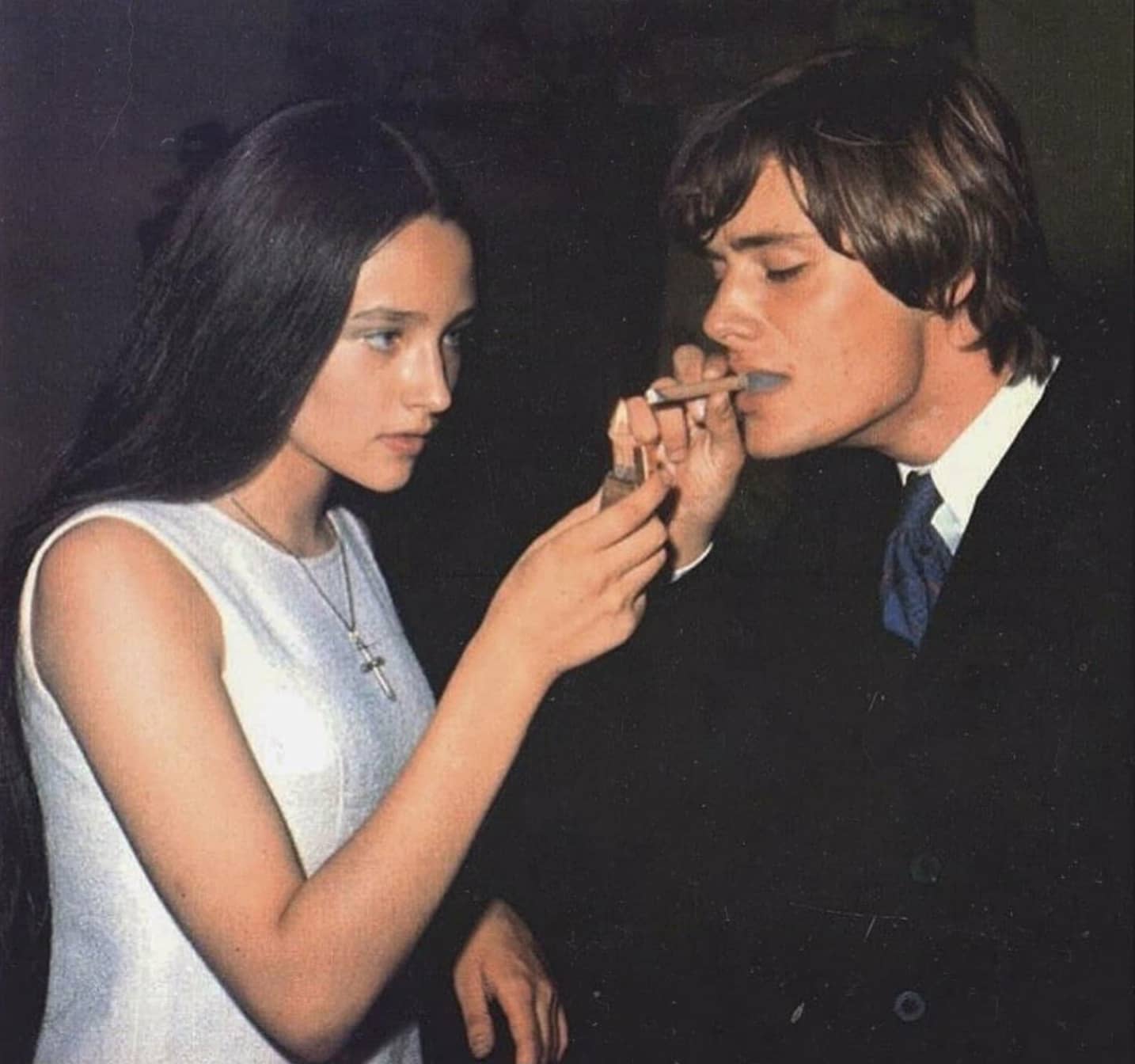
From the clean-cut look of the early Sixties to the extra pure and expressive kinds of the late 60s, grooming tendencies performed a vital function within the ‘60s style statements.
Sixties Males’s Hairstyles
At first of the Sixties, males’s hairstyles have been largely conservative, characterised by quick, well-groomed cuts that emphasised a neat and tidy look. The crew minimize and the Ivy League minimize have been significantly standard, reflecting the last decade’s preliminary emphasis on conformity and traditionalism in grooming.
Nevertheless, males’s hairstyles started to replicate a want for individuality and a break from the previous. The mid-Sixties noticed the rise of the Mod coiffure, with longer lengths, rounder shapes, extra quantity, and the usage of merchandise to create a styled but easy look. This era additionally marked the recognition of the mop-top, made well-known by The Beatles, which featured bangs and a extra pure, tousled look.
By the late Sixties, males’s hairstyles had develop into considerably extra assorted and expressive. Lengthy hair, as soon as a rarity amongst males, grew to become an emblem of revolt and freedom, related to the hippie motion and the broader counterculture.
Hairstyles just like the Afro, popularized by the Black is Lovely motion, and the broader presence of black tradition within the mainstream, and different pure hairstyles celebrated cultural identification and challenged typical European magnificence requirements. The top of the last decade noticed a a lot wider variety in males’s hairstyles, with people embracing their pure hair texture and experimenting with lengths and kinds beforehand thought of unconventional.
Sixties Facial Hair
Facial hair within the Sixties underwent an identical evolution, transferring from the clean-shaven look of the early a part of the last decade to a extra relaxed and assorted strategy by its finish. Initially, nearly all of males most well-liked a clean-shaven face or a neatly trimmed mustache, aligning with the period’s conservative grooming requirements.
As the last decade moved ahead, nevertheless, facial hair grew to become a big facet of males’s style, with figures in music, movie, and counterculture sporting mustaches, beards, and sideburns as expressions of individuality and non-conformity. The mid to late ’60s noticed a resurgence within the reputation of full beards, lengthy mustaches, goatees, and particularly lengthy sideburns, reflecting the period’s shifting attitudes towards masculinity and private freedom.
By difficult conventional grooming requirements, males of the ’60s paved the way in which for future generations to discover private identification and elegance with higher freedom and creativity.
Massive Names in Sixties Males’s Style
The Sixties style scene was as a lot in regards to the people who formed its tendencies because it was in regards to the transformative kinds themselves. This period witnessed the rise of a number of influential figures in style, music, and tradition, whose affect on males’s clothes and grooming tendencies has endured properly past the last decade.
Pierre Cardin
Recognized for his avant-garde model and House Age designs, Pierre Cardin was a pioneering power in Sixties style. His modern strategy to menswear included the introduction of the “Mod look” with geometric shapes, unstructured varieties, and the usage of new supplies. Cardin’s designs have been futuristic but wearable, embodying the period’s spirit of exploration and alter.
The Beatles
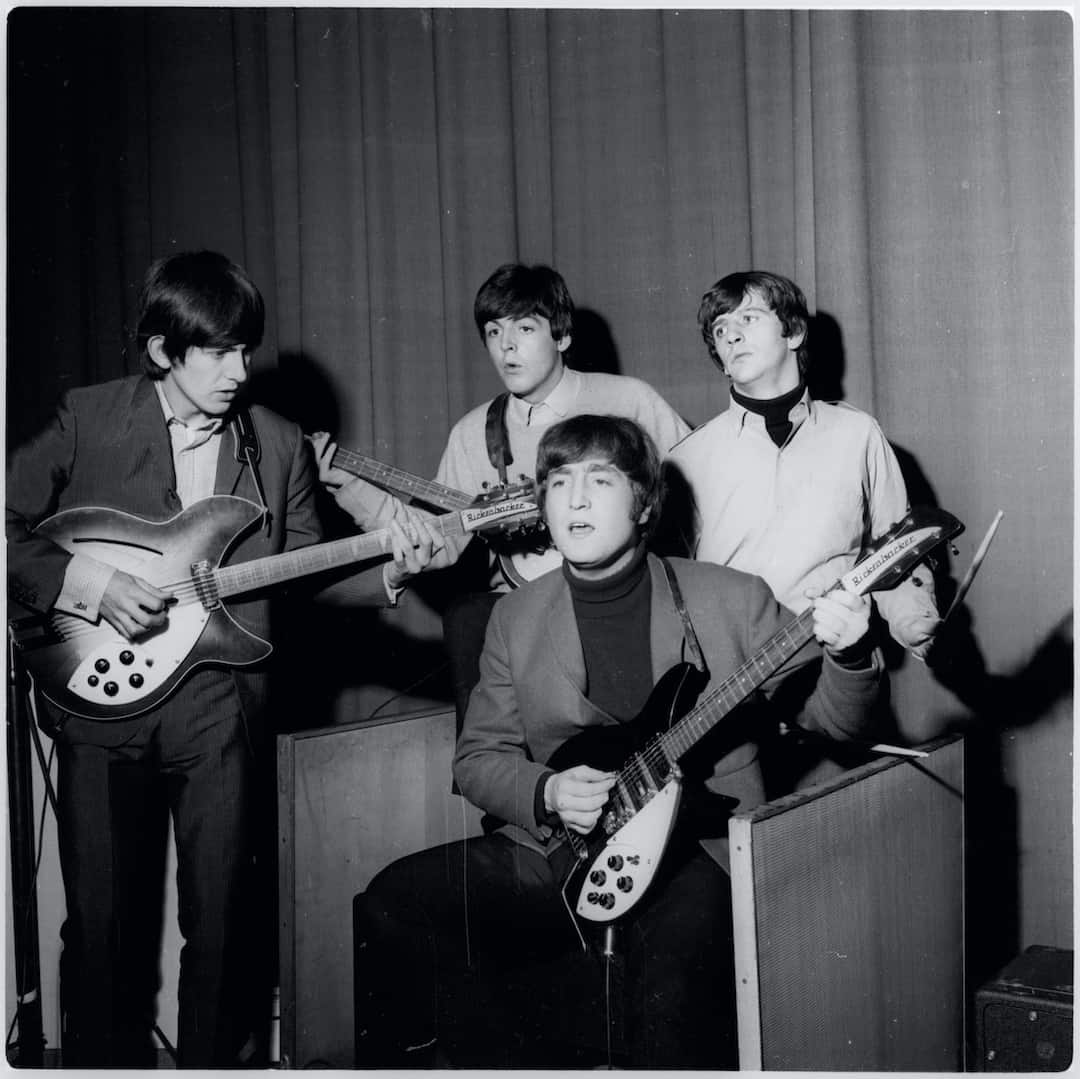
No dialogue of Sixties style could be full with out mentioning The Beatles. The band’s evolving model, from their early mop-top haircuts and fits to their later psychedelic and Indian-influenced apparel, had a profound affect on males’s style, inspiring hundreds of thousands to embrace change and experimentation of their private model.
Steve McQueen
Referred to as “The King of Cool,” Steve McQueen’s private model was emblematic of the Sixties man who valued informal magnificence and understated sophistication. His choice for easy, well-fitted clothes, alongside together with his rugged attractiveness, made him a style icon of the period.
Sean Connery as James Bond
The portrayal of James Bond by Sean Connery set the usual for suave, refined menswear within the Sixties. The character’s tailor-made fits, night put on, and informal Riviera model influenced males’s style by selling a mix of magnificence, masculinity, and timeless model.
Tips on how to Put on Sixties Males’s Style At the moment
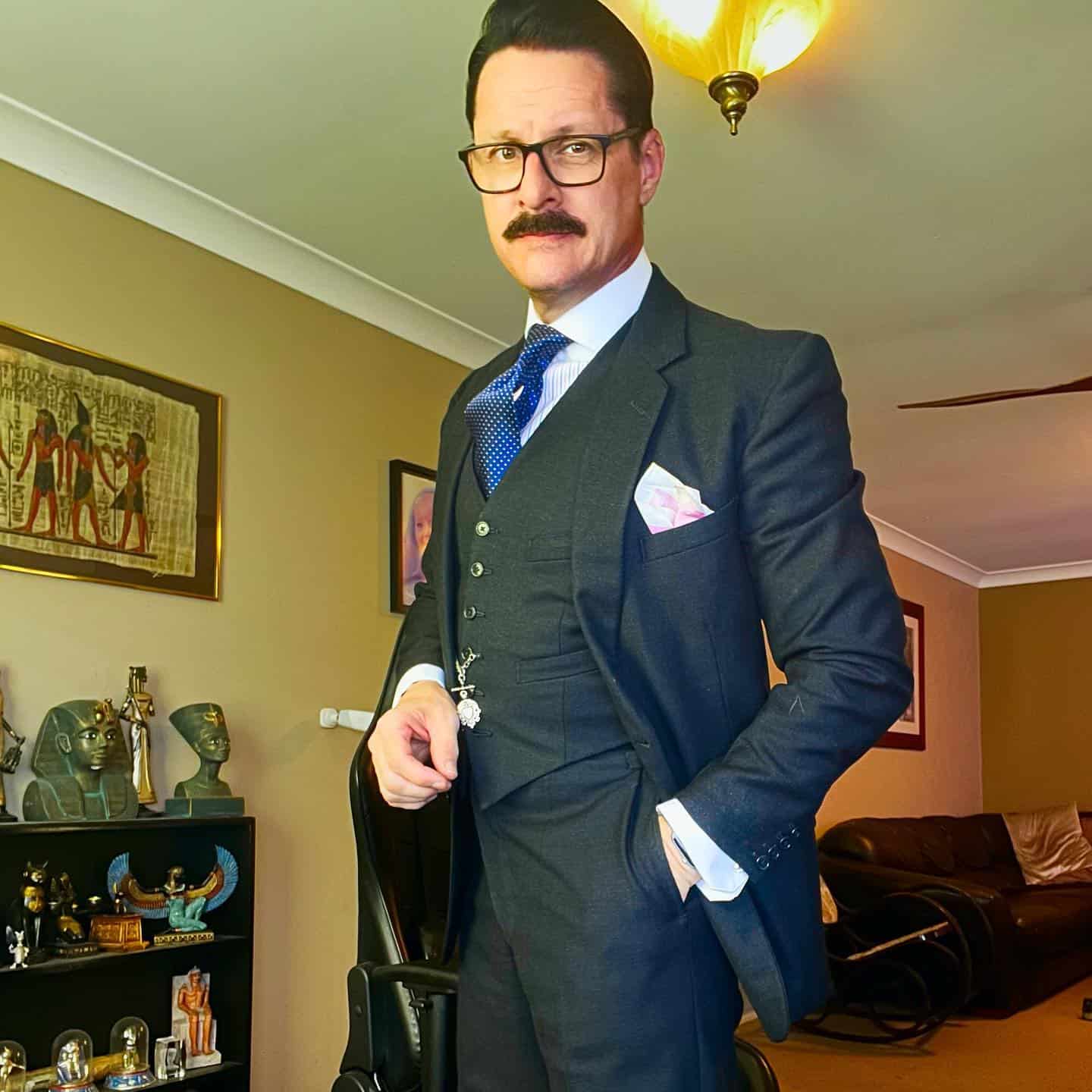
Incorporating Sixties males’s style into right now’s wardrobe can add a contact of traditional sophistication and retro aptitude. A well-tailored Mod swimsuit, for instance, works completely for formal events, providing a smooth silhouette with its slim lapels and fitted design.
For an off-the-cuff look, pairing a polo shirt with slim-fit chinos captures the preppy essence of early ’60s casualwear, whereas Chelsea boots present a timeless end that nods to the period’s Mod tradition. Incorporating knitwear, like a tremendous wool turtleneck or a cable-knit sweater, can add texture and heat, echoing the late ’60s’ transfer in the direction of consolation and flexibility.
To embrace the counterculture’s affect, go for assertion items like a patterned shirt or a pair of traditional bell-bottoms, however stability them with up to date objects to keep away from wanting such as you’re sporting a fancy dress. By choosing key items that replicate the Sixties’ numerous kinds and integrating them with fashionable style, you may create a glance that honors the previous whereas remaining trendy and related right now.
Last Verdict
The Sixties revolutionized males’s style, introducing a breadth of kinds and influences that proceed to resonate in right now’s wardrobe decisions. From the sharp, tailor-made traces of early ’60s fits to the eclectic, free-spirited seems to be of the last decade’s finish, the period provided a template for self-expression and innovation that is still influential. The Sixties taught us the ability of style as a type of private and cultural expression, a lesson that continues to affect the way in which we gown and current ourselves on the earth right now.
FAQ
-
-
Throughout the Sixties, males wore a spread of kinds from slim-fitting fits and thin ties early within the decade to informal and colourful apparel like bell-bottom denims, patterned shirts, and turtlenecks by its finish. The period noticed a transition from conservative, tailor-made seems to be to extra expressive and numerous style decisions.
-
’60s apparel consists of a wide range of seems to be, from the tailor-made Mod fits and Chelsea boots of the early Sixties to the psychedelic prints, bell-bottom trousers, and denim of the late ’60s, reflecting the last decade’s shift in the direction of extra informal, individualistic kinds.
-
Guys within the ’60s wore a spread of footwear, together with polished Oxford footwear, loafers, Chelsea boots, desert boots, and by the late ’60s, sneakers and sandals as informal put on grew to become extra standard.
-
Individuals wore t-shirts within the ’60s, particularly in the direction of the latter a part of the last decade, as informal and cozy clothes grew to become extra standard, usually that includes band logos, tie-dye patterns, or plain designs.
-
Whereas not referred to as “skinny denims” on the time, males did put on slim-fitting trousers and denims, significantly influenced by the Mod style of the mid-Sixties, which favored tighter, extra tailor-made suits.
-

The editorial crew at FashionBeans is your trusted associate in redefining fashionable males’s model. Established in 2007, FashionBeans has advanced into a number one authority in males’s style, with hundreds of thousands of readers in search of sensible recommendation, professional insights, and real-world inspiration for curating their wardrobe and life-style.
Our editorial crew combines over 50 years of collective expertise in style journalism, styling, and retail. Every editor brings specialised experience—from luxurious style and sustainable model to the newest grooming know-how and perfume science. With backgrounds starting from GQ and Esquire to private styling for celebrities, our crew ensures each advice comes from a spot of deep trade information.