

Bali has lengthy been celebrated as a tropical paradise, attracting each vacationers and expats in search of a way of life of solar, surf tradition and rising enterprise alternatives within the rising religious and wellness house. Lately, the island has additionally change into a magnet for property traders, drawn by the promise of excessive returns in villas, residences and business ventures. But beneath the idyllic facade lies a panorama of authorized, monetary and operational dangers that may remodel paradise right into a expensive mistake if approached with out warning.
International possession of land in Indonesia is tightly restricted. Solely Indonesian residents can maintain freehold titles, whereas foreigners are restricted to leasehold preparations — sometimes for 25 to 30 years with the potential of extension. Villas and residences are normally constructed on HGB (Hak Guna Bangunan) or leasehold lands, and business properties should usually be registered via a foreign-owned PT PMA firm, requiring permits by way of the OSS and BKPM methods.
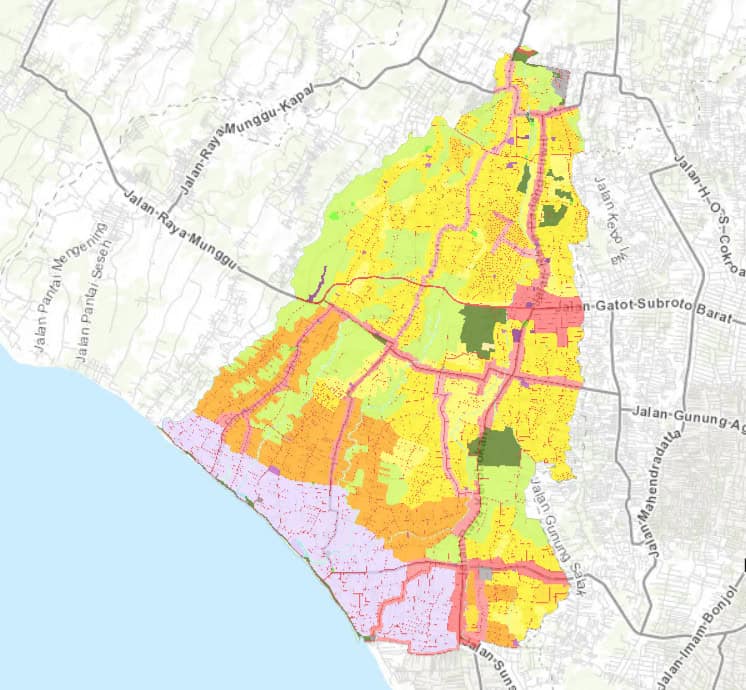

Indonesians alone can maintain freehold land (Hak Milik), whereas foreigners are restricted to rights resembling Hak Pakai (proper to make use of), Hak Sewa (leasehold) or establishing possession by way of a PT PMA firm, usually for intervals of as much as 80 years. Land can also be strictly zoned: yellow and orange zones are residential, crimson zones are business, pink zones cater to tourism, inexperienced zones are agricultural and conservation zones to guard pure and cultural heritage. Even in pink zones — meant for lodges and rental villas — international possession is restricted to non-freehold rights, whereas locals can purchase freehold titles. Trying to bypass these guidelines via nominee schemes — utilizing an Indonesian citizen’s identify to carry land — is against the law, fraught with danger and unenforceable below Indonesian legislation.
Monetary dangers are additionally mounting as Bali’s reputation drives property costs upward. Many listings replicate inflated values with little market verification, whereas hidden prices for permits, taxes and agent commissions can considerably scale back projected returns. Rising annual yields could look engaging on paper, however failure to consider upkeep, occupancy charges and compliance charges can go away traders disenchanted. Sensible challenges — resembling properties missing correct constructing permits (IMB/PBG) or operational licenses (SLF) — additional complicate possession and can lead to fines and even demolition.


The fast progress of Bali’s expat group has additionally put strain on native housing markets. With growing demand for high-end villas and boutique residences, rental charges and property prices have surged — making it more durable for newcomers to seek out reasonably priced lodging. Lengthy-term residents and traders alike should navigate a fragile steadiness between way of life aspirations and the realities of authorized compliance and monetary prudence.
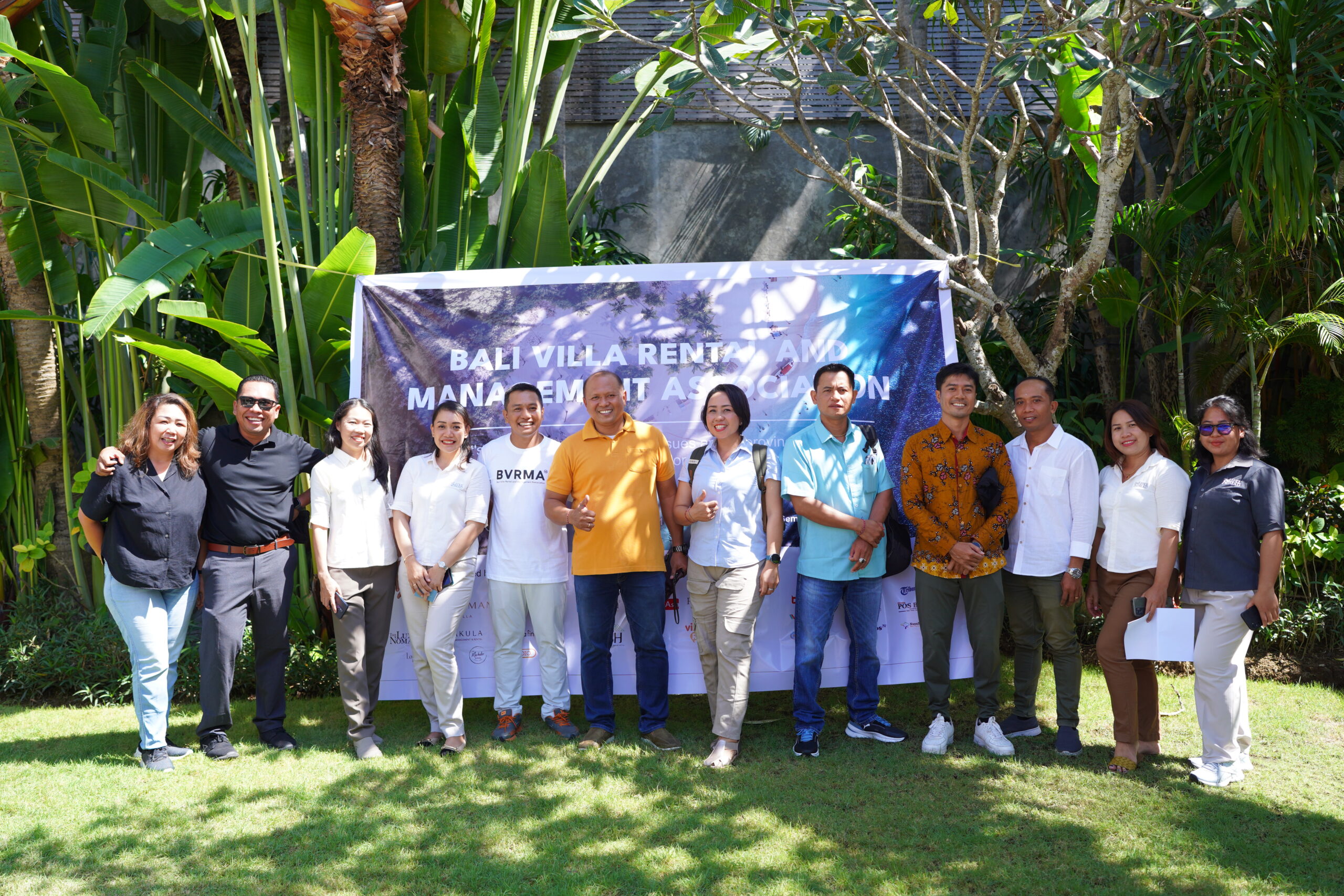
To mitigate these dangers, consultants advocate thorough due diligence, together with authorized verification of land rights, permits and tax obligations. Contracts must be bilingual and notarised, and all dealings must be carried out with licensed brokers. Choosing totally authorized constructions — resembling Hak Pakai leases or PT PMA entities — ensures that investments are protected and extensions are contractually secured.


Past the authorized and monetary challenges, Bali’s property market raises urgent social and moral issues. International-driven demand has pushed land and housing costs past the attain of many locals, fostering resentment and tensions over conventional land use. Specifically, foreign-owned villas are sometimes accused of disrupting group steadiness, eroding cultural norms and prioritising revenue over folks. Environmental impacts are additionally important: deforestation, water shortages and waste points have been linked to fast villa and resort growth.
Unlawful or unregistered villas — particularly in hotspots like Canggu, Uluwatu and Ubud — exacerbate these issues. Many of those properties bypass native permits, taxes and environmental rules, providing decrease charges that undercut compliant operators whereas depriving the federal government and native entrepreneurs of income. Journalistic investigations have highlighted how such practices give traders unfair benefits whereas contributing little to the native financial system. The scenario has additionally triggered nationalist backlash and issues over corruption, with weak enforcement and bureaucratic loopholes facilitating bribery in land offers. General, these dynamics underscore the stress between international funding and the rights, tradition and livelihoods of Balinese communities, highlighting the moral and sensible stakes of actual property growth on the island.
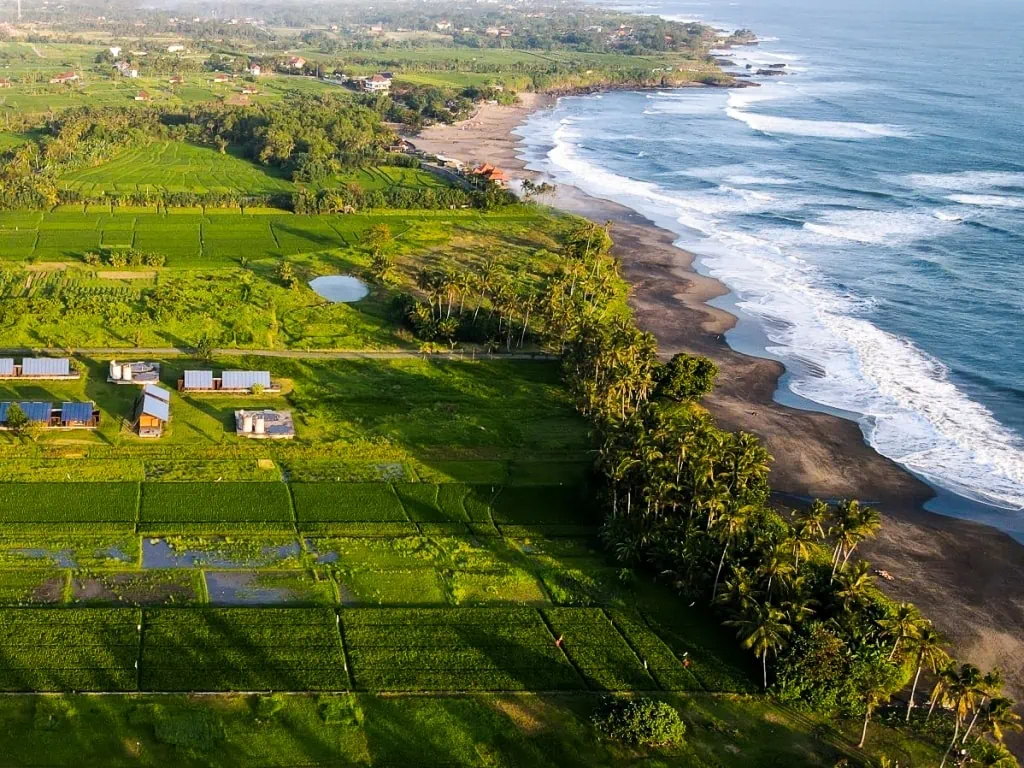
Investing or dwelling in Bali can provide great way of life and monetary rewards, however solely with cautious preparation {and professional} steerage. Understanding the island’s authorized frameworks, property rules and market dynamics is crucial for anybody in search of to show the Balinese dream right into a sustainable actuality quite than a cautionary story.
For extra on the most recent in way of life, tradition and journey reads, click on right here.