

Learn to construct a easy, dependable status stack so you’ll be able to spot points early, doc what occurred, and reply quick with out chaos.
Status used to imply PR, opinions, and the occasional disaster assertion. In 2026, it is usually your search outcomes, screenshots on social, AI summaries, worker chatter, and affiliate content material you didn’t approve.
The onerous half is just not “having instruments.” It’s having the appropriate instruments linked to a workflow your group will truly use when one thing breaks on a Saturday.
This information walks by means of a sensible status tech stack: monitoring, archiving, alerting, and response workflows that scale back surprises and maintain your model resilient.
What’s a status tech stack?
A status tech stack is the set of instruments and processes you employ to:
- Detect new mentions and dangers early
- Protect proof (what was mentioned, when, and the place)
- Route points to the appropriate proprietor shortly
- Monitor choices, actions, and outcomes over time
Consider it like safety monitoring, however for belief. You aren’t solely looking forward to “dangerous press.” You’re looking forward to something that might change how prospects, companions, or staff understand your model.
Core parts normally embody:
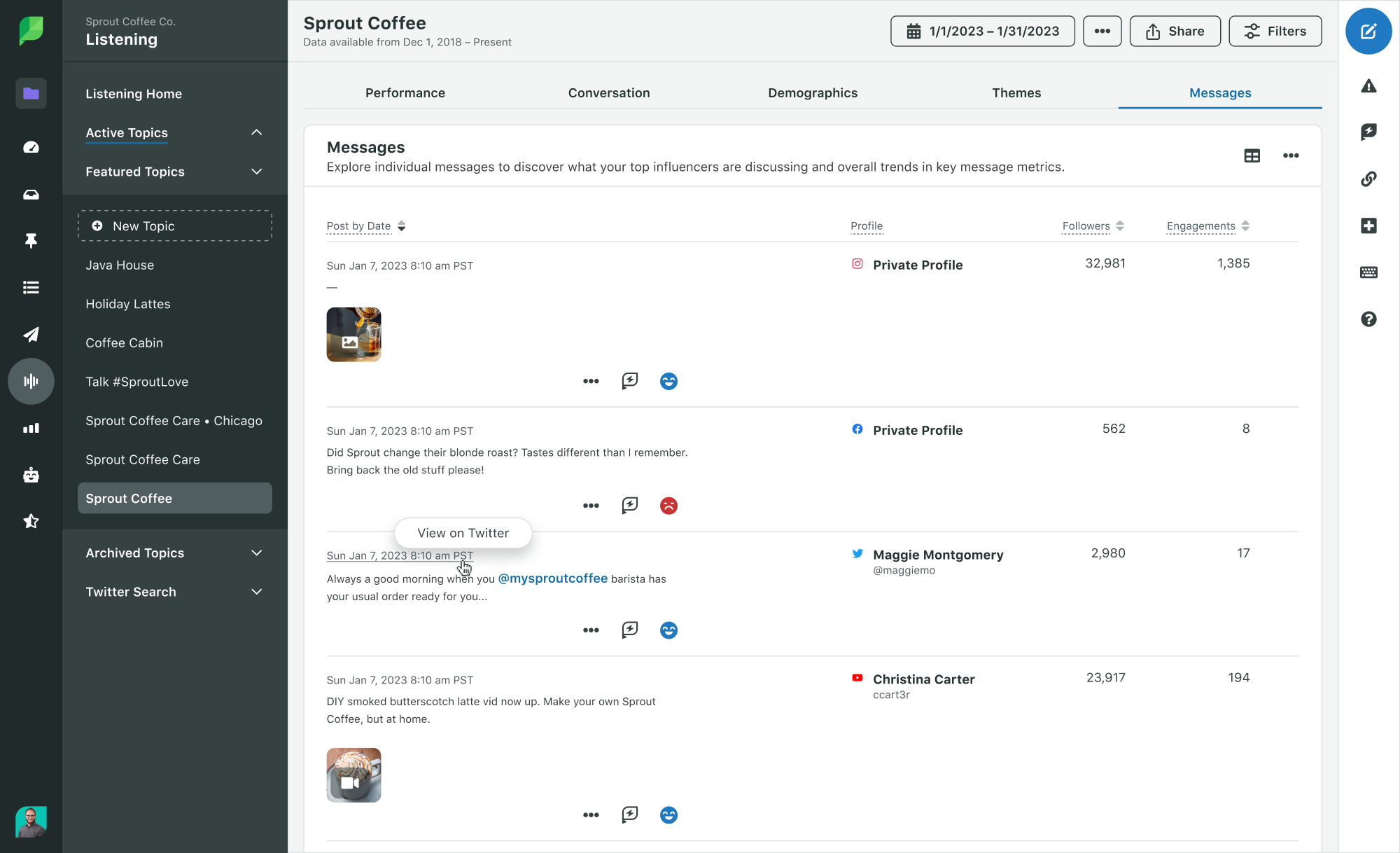
- Monitoring and listening
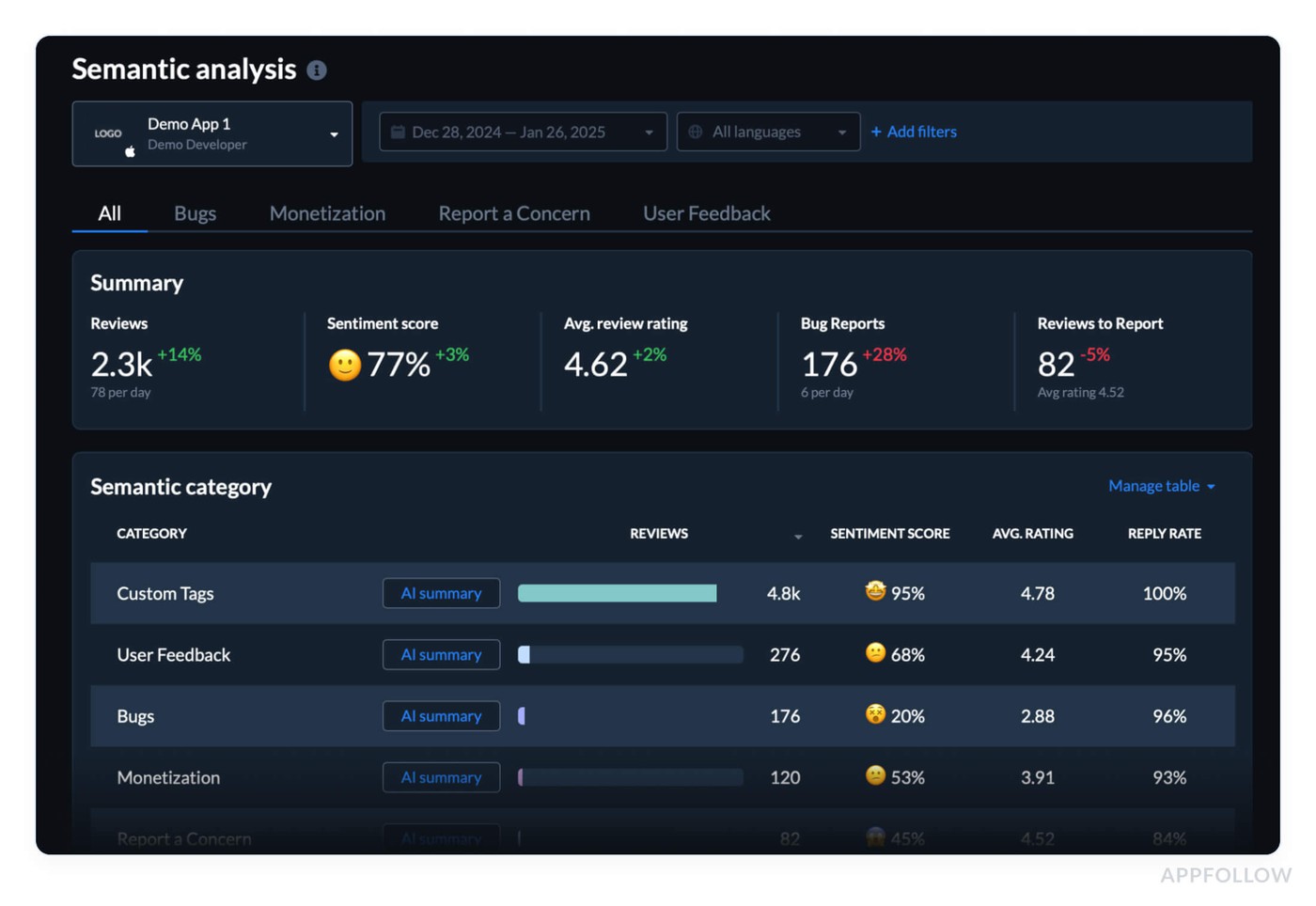
- Evaluate monitoring
- Change detection (when a web page updates)
- Archiving and proof seize
- Alerts and escalation
- A response workflow and ticketing system
- Reporting and post-incident studying
What ought to your stack do each week?
An excellent stack runs quietly within the background, then will get loud solely when it ought to.
Right here is the baseline habits you need:
- It catches new mentions inside hours, not weeks
- It reveals you patterns (one-off criticism vs a spike)
- It saves proof robotically (screenshots, URLs, timestamps)
- It assigns an proprietor and a subsequent step
- It creates a document you’ll be able to reference later
In case your group nonetheless depends on “somebody noticed it on X,” you should not have a stack. You’ve got luck.

The 4 layers of a contemporary status stack
Monitoring and listening
This layer solutions: “What’s being mentioned, and the place is it spreading?”
Use a mixture of sources as a result of no single device sees every part.
Search monitoring: Monitor branded queries, product names, govt names, and customary misspellings. Embody “rip-off,” “lawsuit,” “refund,” “evaluation,” and your high rivals in watchlists.
Information and media monitoring: Catch protection, syndicated reposts, and native press pickups.
Social listening: Watch TikTok, Reddit, X, Instagram, LinkedIn, and area of interest boards related to your business.
Neighborhood alerts: Monitor Discords, Fb teams, Substack feedback, and creator communities in the event that they affect your patrons.
Tip: Construct three watchlists: “Model,” “Executives,” and “Threat key phrases.” Preserve them brief sufficient that somebody can evaluation them in 10 minutes.
Archiving and proof seize
This layer solutions: “Can we show what occurred if the content material modifications or disappears?”
You need proof for inner decision-making and for conversations with platforms, publishers, companions, or authorized counsel.
- Screenshots with timestamps: Seize the seen content material and the URL.
- Web page archiving: Save HTML or PDF copies, not simply photographs.
- Change historical past: Monitor when a web page updates, particularly for FAQs, coverage pages, and articles that quietly edit particulars.
- Asset library: Retailer brand-approved statements, FAQs, and escalation templates so you don’t write from scratch beneath stress.
Did You Know? Many high-impact incidents begin as small edits: a headline replace, a brand new remark thread, or a repost that outranks the unique. If you happen to solely save one screenshot, you typically miss the “earlier than” model that issues most.
Alerts and escalation
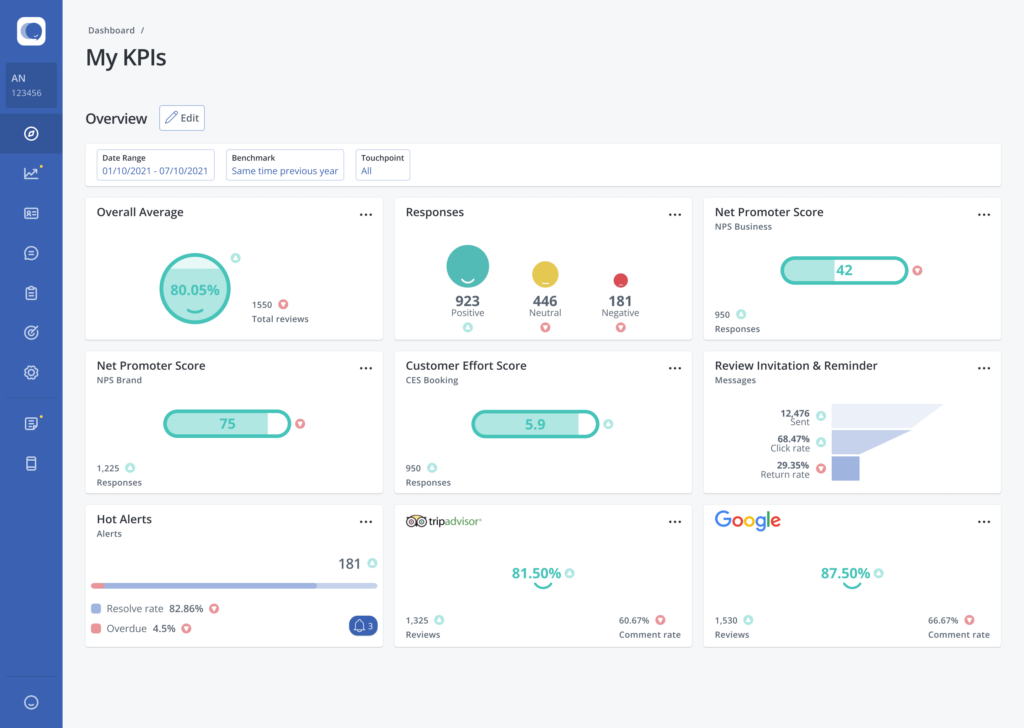
This layer solutions: “Who must know, and how briskly?”
Alerts must be tied to severity. In any other case, folks mute them.
- Low severity: Every day digest to comms or advertising.
- Medium severity: Rapid Slack or Groups alert to a triage channel.
- Excessive severity: Pager-style escalation (textual content/telephone) to an on-call proprietor.
What triggers an escalation?
- Sudden spike in branded search curiosity
- A high-follower creator mentions your model negatively
- A regulator, journalist, or investor posts about you
- A evaluation bombing sample
- A unfavorable article begins rating in your model title
- Buyer help sees repeated complaints about the identical subject
Key Takeaway: Your alerts ought to path to an proprietor, not a gaggle. Teams create silence as a result of everybody assumes another person will deal with it.
Response workflow and reporting
This layer solutions: “What are we doing about it, and did it work?”
A dependable workflow consists of:
- A triage consumption kind (what occurred, hyperlink, affect, screenshots)
- A severity rubric (Degree 1 to Degree 4)
- Clear homeowners by class (opinions, press, authorized, HR, product)
- A ticketing system (so actions don’t stay solely in chat)
- Submit-incident evaluation (what we discovered, what to vary)
Your reporting ought to present tendencies, not self-importance metrics. Monitor:
- Time to detect
- Time to first response
- Time to decision
- Repeat subject classes
- High sources of threat (platforms, companions, places)
- Search visibility shifts for branded queries
A sensible stack blueprint (easy, then scalable)
You possibly can construct a powerful stack with out shopping for an enterprise suite on day one.
Starter stack (lean groups)
- Monitoring: Google Alerts plus one devoted point out device (model + execs)
- Opinions: Google Enterprise Profile notifications plus a evaluation inbox device you probably have a number of places
- Archiving: A shared proof folder construction plus a web page seize device
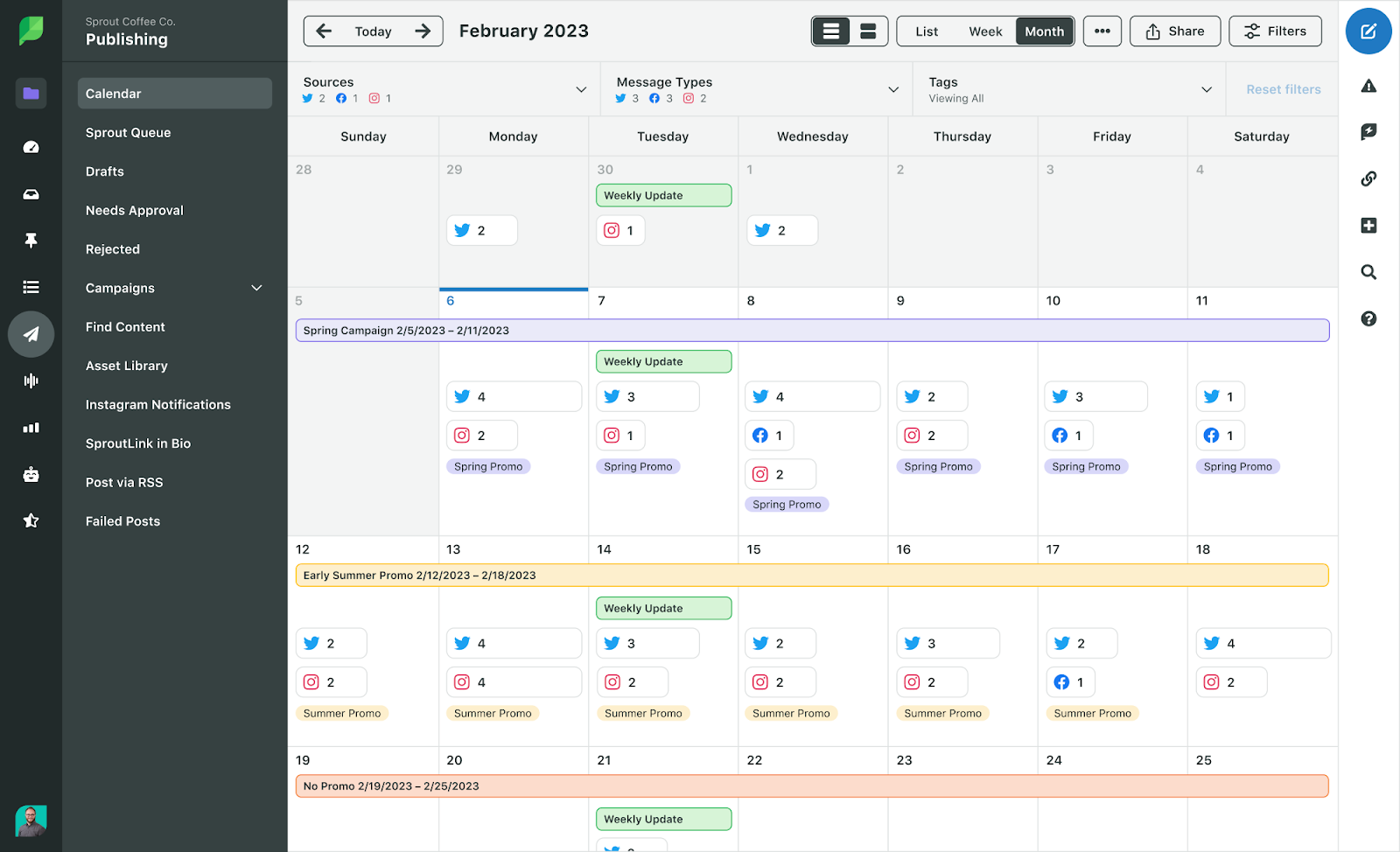
- Workflow: A single Slack channel for triage plus a light-weight ticket board (Trello, Asana, or Jira)
- Reporting: Month-to-month snapshot in a doc or dashboard
Development stack (multi-location or excessive visibility)
- Monitoring: Broader protection throughout information, social, and boards
- Opinions: Centralized evaluation administration with tagging and routing
- Archiving: Automated seize and alter detection for key URLs
- Alerts: Severity-based guidelines with on-call escalation
- Workflow: Normal playbooks by incident sort plus an incident log
- Reporting: Dashboard that ties points to enterprise affect (leads, churn, conversion)
Enterprise stack (regulated, world, or frequent incidents)
- Monitoring: Full media intelligence plus world language protection
- Opinions: SLA-driven routing and role-based permissions
- Archiving: Compliant retention insurance policies and immutable storage
- Alerts: Built-in SOC-style escalation
- Workflow: Cross-functional incident response with authorized evaluation gates
- Reporting: Government reporting and board-ready threat summaries
The place removing and suppression match within the tech stack
Not each downside will be “responded” away. Generally the objective is to scale back visibility of dangerous content material, appropriate misinformation, or request removing when content material violates platform guidelines or the legislation.
Your stack ought to show you how to determine which path is sensible:
- Reply: When it’s a service subject, misunderstanding, or remoted criticism
- Appropriate: When one thing is outdated or factually unsuitable and will be up to date on the supply
- Take away: When content material violates guidelines, privateness requirements, or authorized necessities
- Suppress: When removing is just not doable, however you’ll be able to outrank it with stronger belongings
If you need a plain-language place to begin for content material removing choices, go to Erase’s web site.
How a lot does a status tech stack value?
Prices fluctuate broadly, largely primarily based on protection and complexity.
Widespread pricing drivers:
- Variety of key phrases and model entities you observe
- Languages and international locations coated
- Social platforms included (some require premium entry)
- Quantity of mentions and retention size
- Variety of places (for opinions)
- Automation and integrations (Slack, Groups, CRM, ticketing)
Typical ranges (broad and non-binding):
- Starter instruments: low month-to-month spend, however larger handbook effort
- Development instruments: reasonable month-to-month spend, sturdy time financial savings
- Enterprise suites: larger spend, deeper protection and governance
Tip: Ask distributors what they don’t cowl. Many instruments look “full” in a demo, then miss the precise sources the place your patrons truly discuss.

How to decide on the appropriate instruments for your small business
- Outline your threat floor: Record the place reputational threat reveals up for you: native opinions, business boards, app shops, information, worker platforms, associate channels, or govt visibility. A B2B SaaS model and a multi-location clinic want completely different protection.
- Decide your “single pane” for triage: Determine the place points ought to land first. For many groups, that could be a Slack triage channel plus a ticket board. Your monitoring instruments ought to push into that system cleanly.
- Determine what should be automated: Automate the elements that break throughout busy weeks: proof seize, routing, and reminders. Preserve judgment calls human.
- Construct playbooks earlier than you want them: Create brief playbooks in your high incident sorts:
- Evaluate spike
- Detrimental article begins rating
- Creator criticism
- Knowledge leak rumor
- Worker allegation
- Product security criticism
Every playbook ought to embody: proprietor, first response, info to collect, approval steps, and “don’t do” steerage.
Check the stack with a drill: Run a 30-minute tabletop train. Instance: “A Reddit thread accusing us of X is trending and a neighborhood reporter is asking for remark.” In case your group can’t discover hyperlinks, seize proof, assign homeowners, and draft a response shortly, repair the workflow before you purchase extra instruments.
Learn how to discover a reliable setup (and keep away from widespread traps)
Pink flags that normally trigger wasted spend and missed points:
- All alerts, no triage: The device floods inboxes however doesn’t assist route or prioritize.
- No proof seize: You possibly can see a point out, however you can’t protect it reliably.
- Reporting with out motion: Dashboards look good, however no person owns outcomes.
- One device promise: Any vendor claiming they “cowl every part” is overselling.
- No integration story: If it can’t connect with your workflow, it won’t get used.
Inexperienced flags to search for:
- Clear protection map (what sources are included and excluded)
- Simple exports and proof seize
- Function-based workflows (particularly for authorized and HR touchpoints)
- Easy guidelines for routing and escalation
- Sturdy help and documented onboarding
Status tech stack FAQs
How briskly ought to we detect a status subject?
For top-visibility manufacturers, hours is the objective. For smaller manufacturers, a day by day evaluation cadence will be sufficient, so long as alerts exist for spikes and high-severity key phrases.
Do we want social listening if we’re not energetic on social?
Usually sure. Individuals discuss manufacturers the place manufacturers will not be current. In case your prospects use Reddit, TikTok, or creator communities to make shopping for choices, listening issues even when posting doesn’t.
What’s the greatest mistake groups make with status instruments?
Alert overload. If every part is pressing, nothing is. Begin with a small set of high-signal alerts, then develop as soon as your workflow is secure.
Ought to status sit with advertising, comms, or buyer help?
It must be shared, however owned. Many groups place triage with comms or advertising, then route points to help, authorized, HR, or product primarily based on class. What issues is a transparent proprietor and a transparent escalation path.
Can instruments forestall a disaster?
Instruments don’t forestall crises by themselves. They scale back detection time, protect proof, and make response extra coordinated. That’s typically the distinction between a small subject and a multi-week downside.
Conclusion
A status tech stack is just not about shopping for the most important platform. It’s about constructing a system that spots threat early, captures proof, routes points to an proprietor, and creates constant responses.
Begin easy: monitoring, proof seize, and a triage workflow. Then scale into automation and deeper protection as your visibility grows.
If you wish to make your model extra resilient in 2026, one of the best subsequent step is to audit what you’ve got as we speak, run a brief drill, and repair the gaps that present up beneath stress.
For extra on the newest in life-style, tradition and journey reads, click on right here.