
Borders, Boulevards and the New Gulf: After the Storm
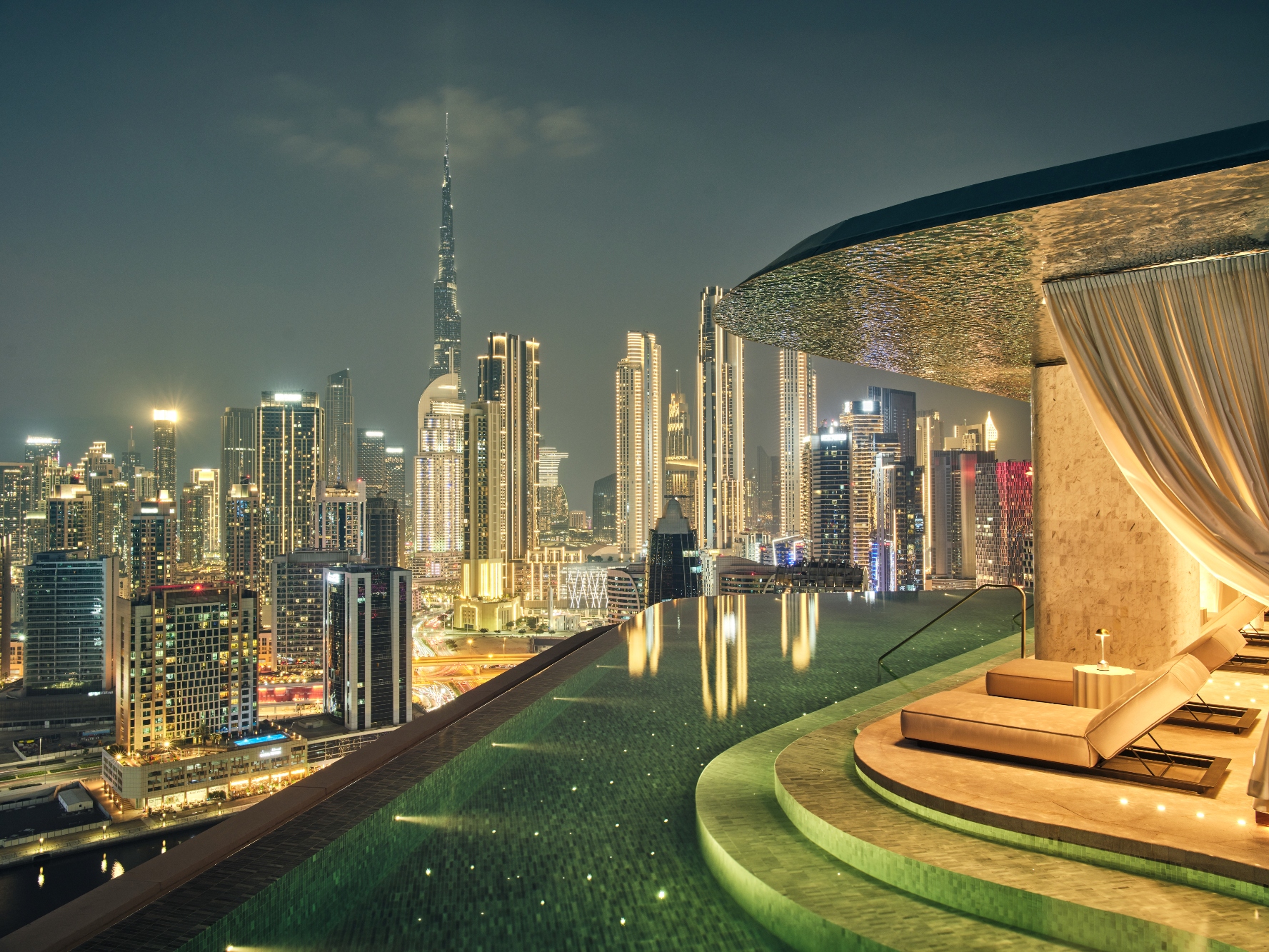
Few areas on Earth have been as synonymous with opulence, hovering skylines and improbably clear seashores because the Gulf. From the gleaming minarets of Dubai and Abu Dhabi to the seductively lit Corniche of Doha, this stretch of desert-fused shoreline rewrote luxurious journey within the twenty first century. However in late February 2026, that fastidiously cultivated picture of stability was rattled.
A sequence of intense missile and drone barrages — launched by Iran in retaliation for coordinated U.S.–Israeli strikes on Iranian territory — swept throughout the Arabian Gulf, bringing battle right into a area lengthy admired for its orderly prosperity. Iran’s retaliation hit navy targets but additionally city edges and infrastructure throughout Qatar, the United Arab Emirates, Bahrain, Kuwait, Saudi Arabia and past, momentarily turning icons like Dubai’s Jebel Ali Port and the approaches to Al Udeid Air Base into smoky tableaux underneath alert sirens. (The Solar Malaysia)
The assaults have been among the many most geographically widespread in a long time, underscoring simply how rapidly the fragile stability of Gulf safety — buoyed for years by U.S. power projection — can teeter. (mint)
The Ripple Impact: From Skylines to Provide Chains
The rapid affect was dramatic: airports quickly closed, airspace restrictions have been imposed and carriers cancelled flights. Luxurious resorts stationed their visitors indoors underneath journey advisories, whereas monetary markets wavered on fears of disrupted vitality provides. (The New Arab)
For a area the place tourism, occasions and ultra-high-end retail are cornerstones alongside oil wealth, the blow may have been extreme. But right here’s the place the Gulf’s resilience story begins.
Luxurious Journey: A Fast Reset, Not a Decline
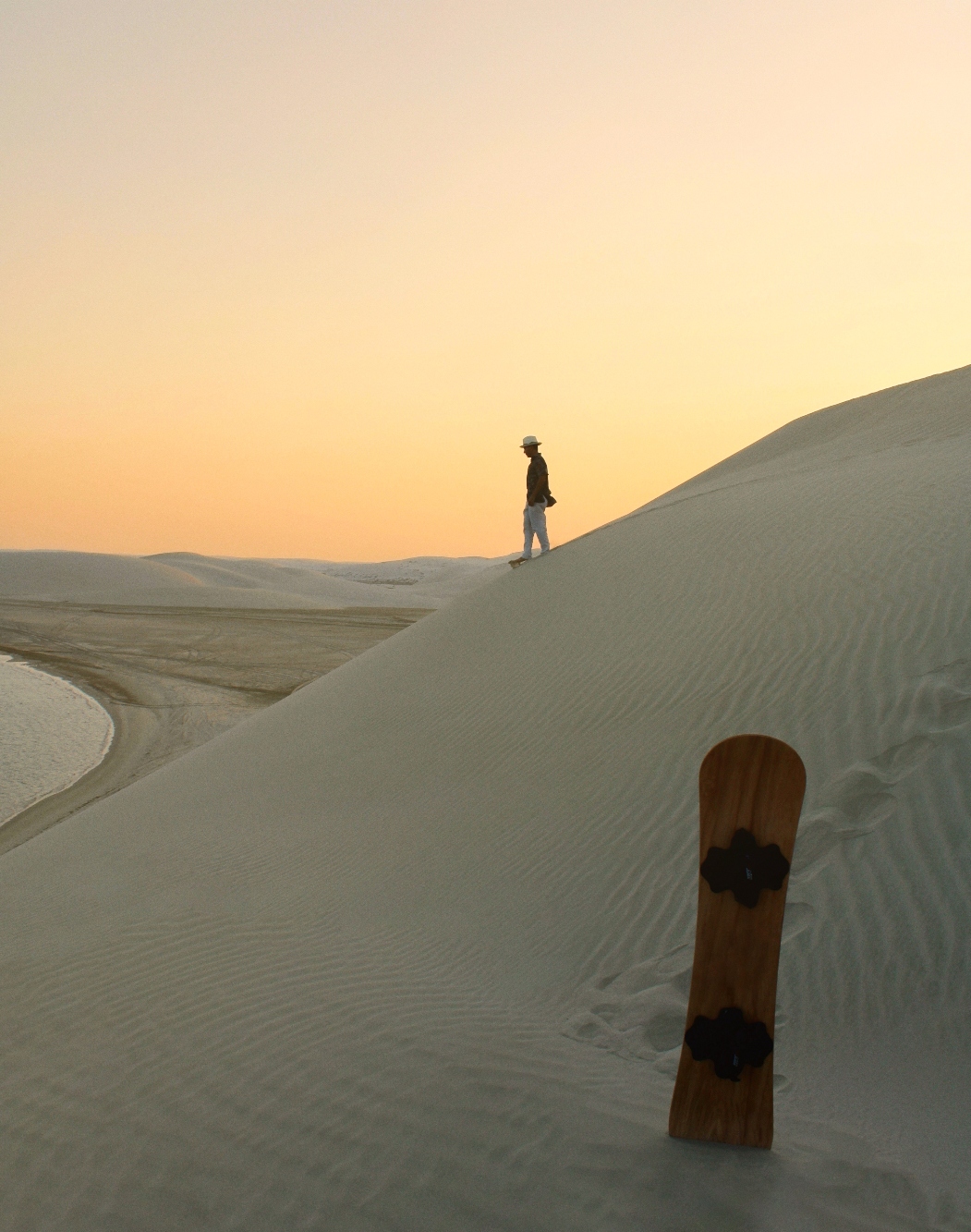
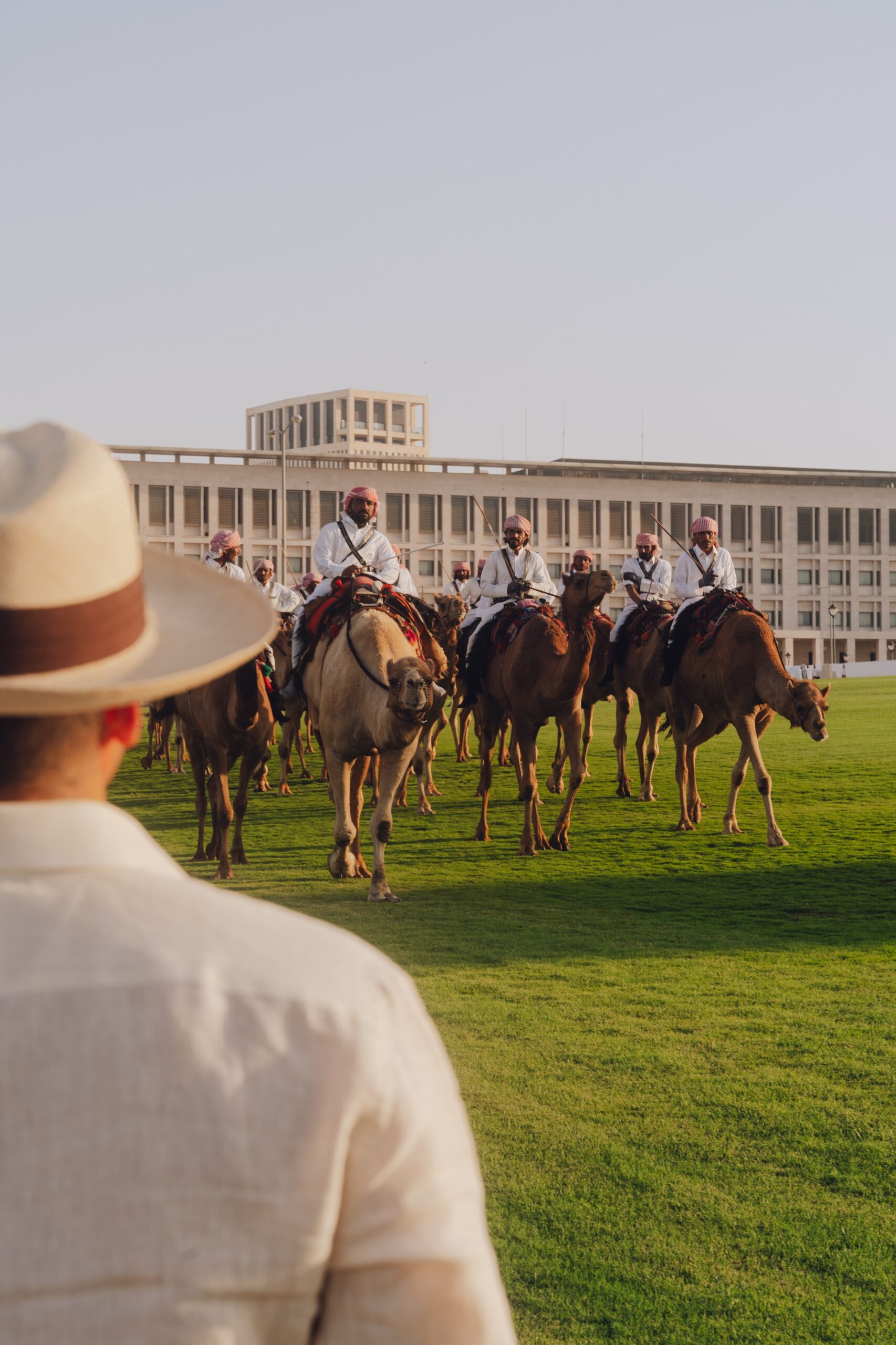
The imaginative and prescient that when made this nook of the world a magnet for jet-setters — artwork gala’s in Doha, yacht reveals in Dubai, desert polo in Ras Al Khaimah — has not vanished. What it has gained, nevertheless, is nuance.
The place as soon as the narrative leaned on carefree glamour, we now see a tourism technique with three new vectors:
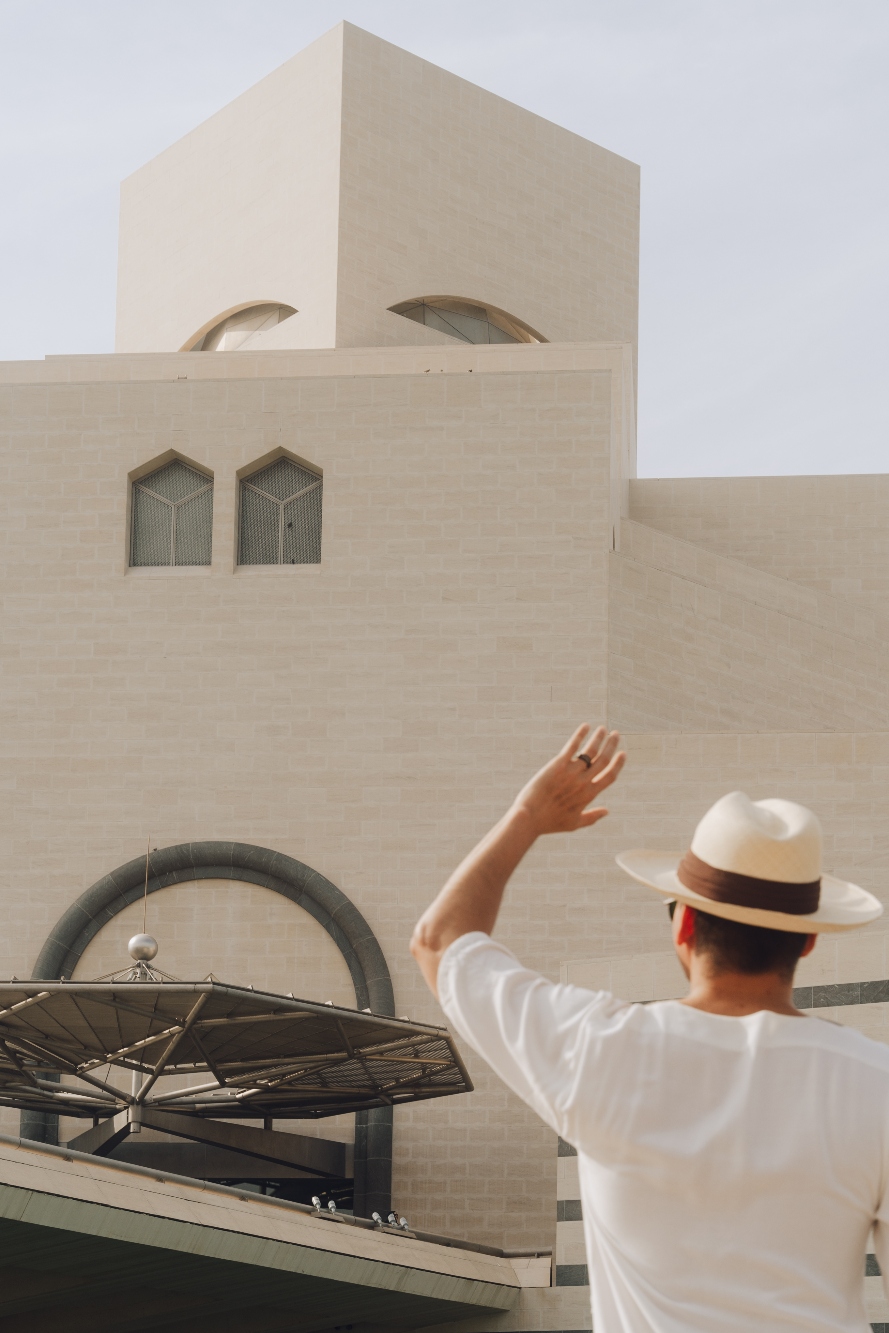
Safety-First Hospitality: Grand resorts and resorts are recalibrating with seen security protocols — from city evacuation plans to digital alerts for visitors — integrating safety as a normal expectation relatively than an afterthought.
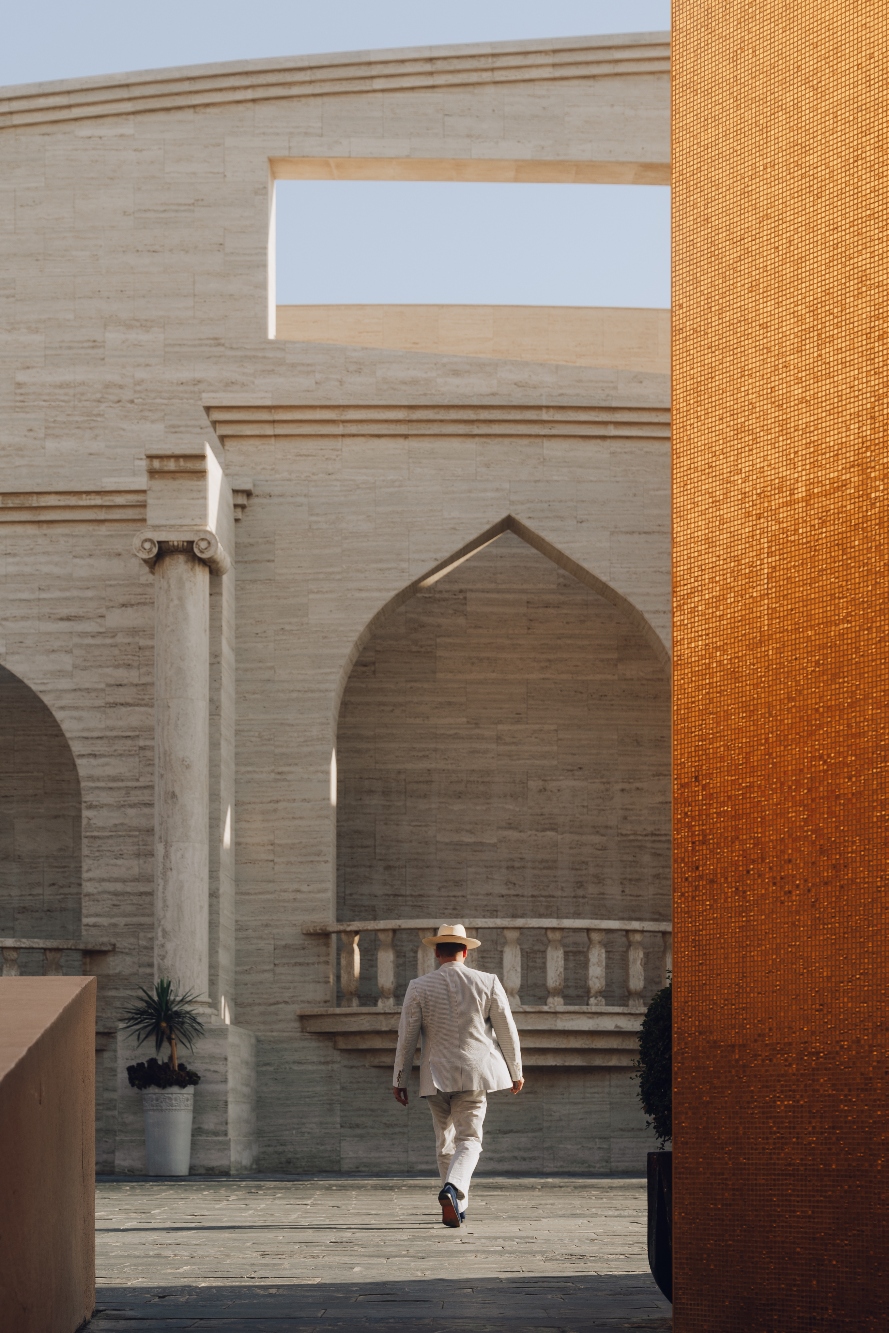
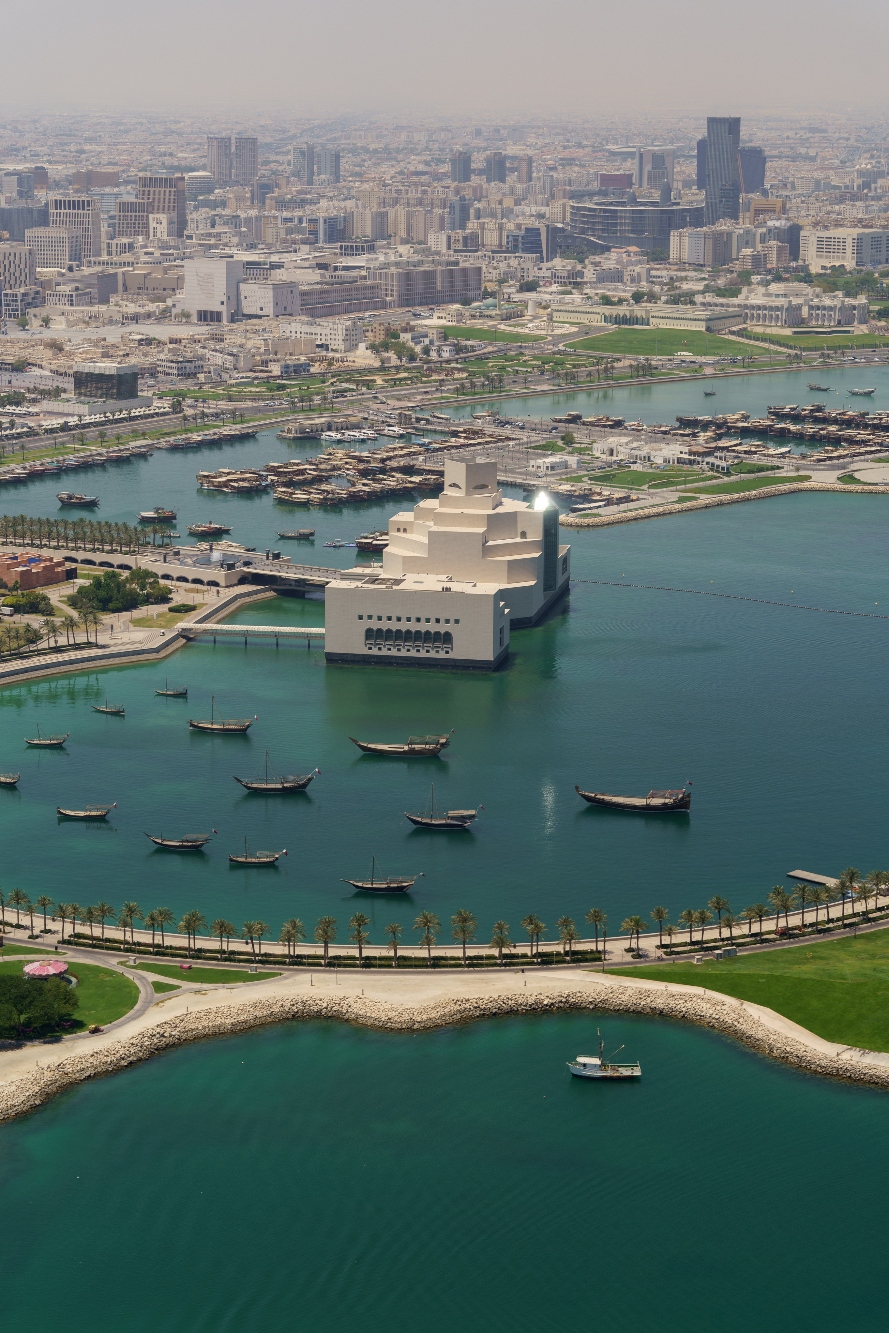
Experiential Variety: Abu Dhabi’s cultural district, Qatar’s museum circuit and Saudi Arabia’s rising Crimson Sea choices are pivoting towards immersive, low-density experiences that attraction to prosperous travellers looking for substance over spectacle.
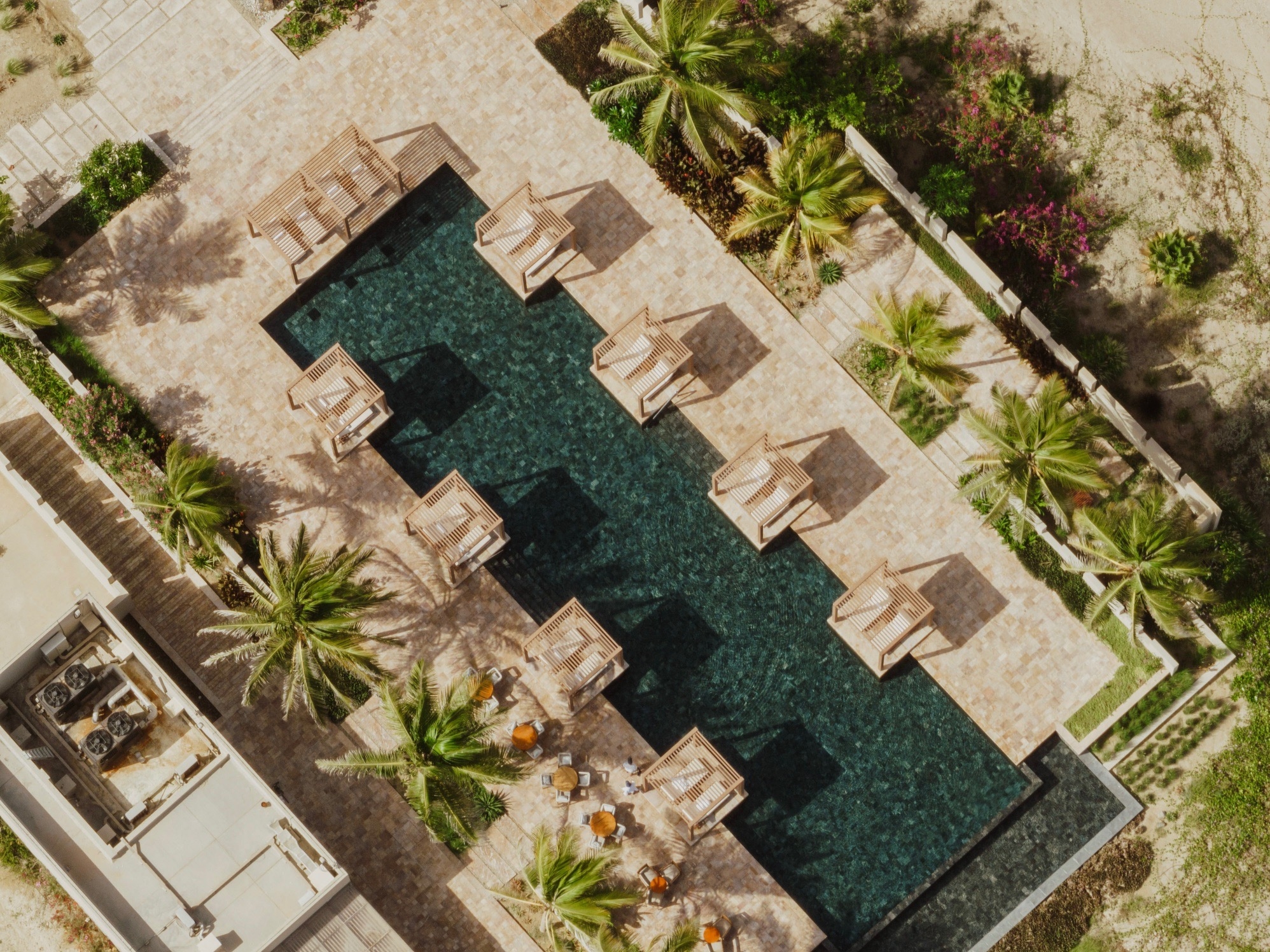
Sustainable Luxurious: Gulf nations are leaning into eco-friendly tourism and bespoke retreats — a transfer that softens reliance on mega-events and capitalises on an viewers keen to pay for each that means and exclusivity.
Briefly, the posh market is just not retreating — it’s evolving.
Oil, Gasoline and Strategic Fortitude
This was by no means solely a journey story. The Gulf’s oil and liquefied pure gasoline exports — important to international vitality markets — have additionally felt the shockwaves. Qatar’s LNG output was halted quickly after infrastructure was focused, eradicating a good portion of world provide, whereas amenities in Saudi Arabia took precautionary shutdowns. (Reuters)
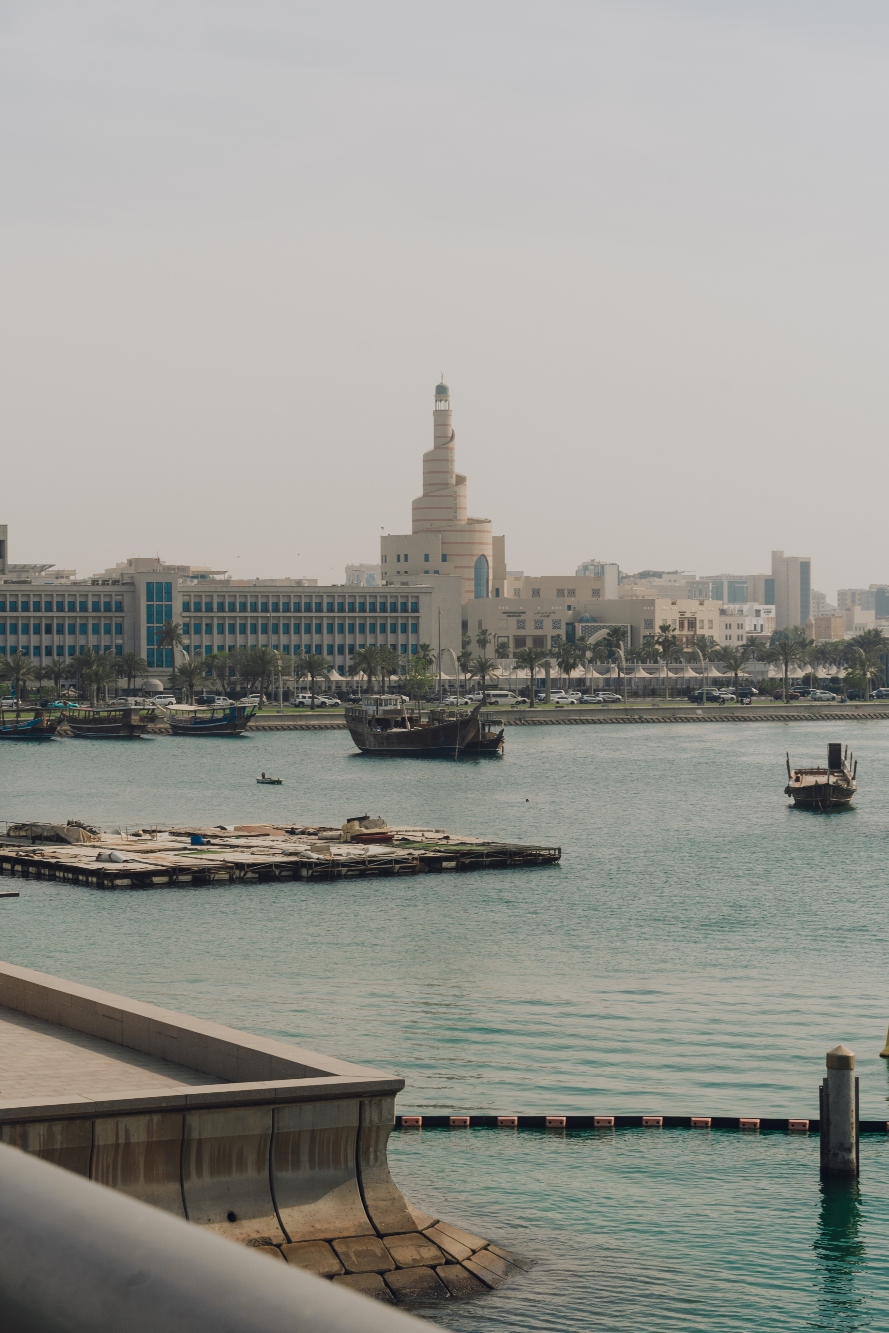
But the broader image suggests containment, not collapse. Gulf states swiftly condemned the assaults, coordinated regional safety responses and emphasised diplomatic channels whilst they defended sovereignty. (The Washington Submit) That cohesion — between Riyadh, Abu Dhabi, Doha, Manama and Kuwait Metropolis — is notable in a area as soon as fragmented by rivalries. It speaks to a renewed dedication to safeguarding financial engines even amid geopolitical headwinds.
Main vitality stakeholders and OPEC members are signalling continuity. Crude exports proceed, strategic reserves are engaged and contingency plans for transport across the Strait of Hormuz have been dusted off however not activated in panic. Insurance coverage prices for war-risk protection and freight charges might tick upward, however the international economic system sees the Gulf nonetheless as a dependable associate in vitality and funding.
The place the Future Stands
Stability, not stagnation. That’s the emergent theme.
Sure, the Gulf was jolted. However relatively than retreat into isolation, the area has doubled down on three pillars:
Financial diversification: tourism, fintech, tradition and leisure at the moment are threads as essential as pipelines.
Safety integration: realigning protection postures with out abandoning openness to commerce and journey.
Tender energy diplomacy: balancing ties with the U.S., Europe and pivoting companions in Asia whereas sustaining a cautious dialogue with neighbours.
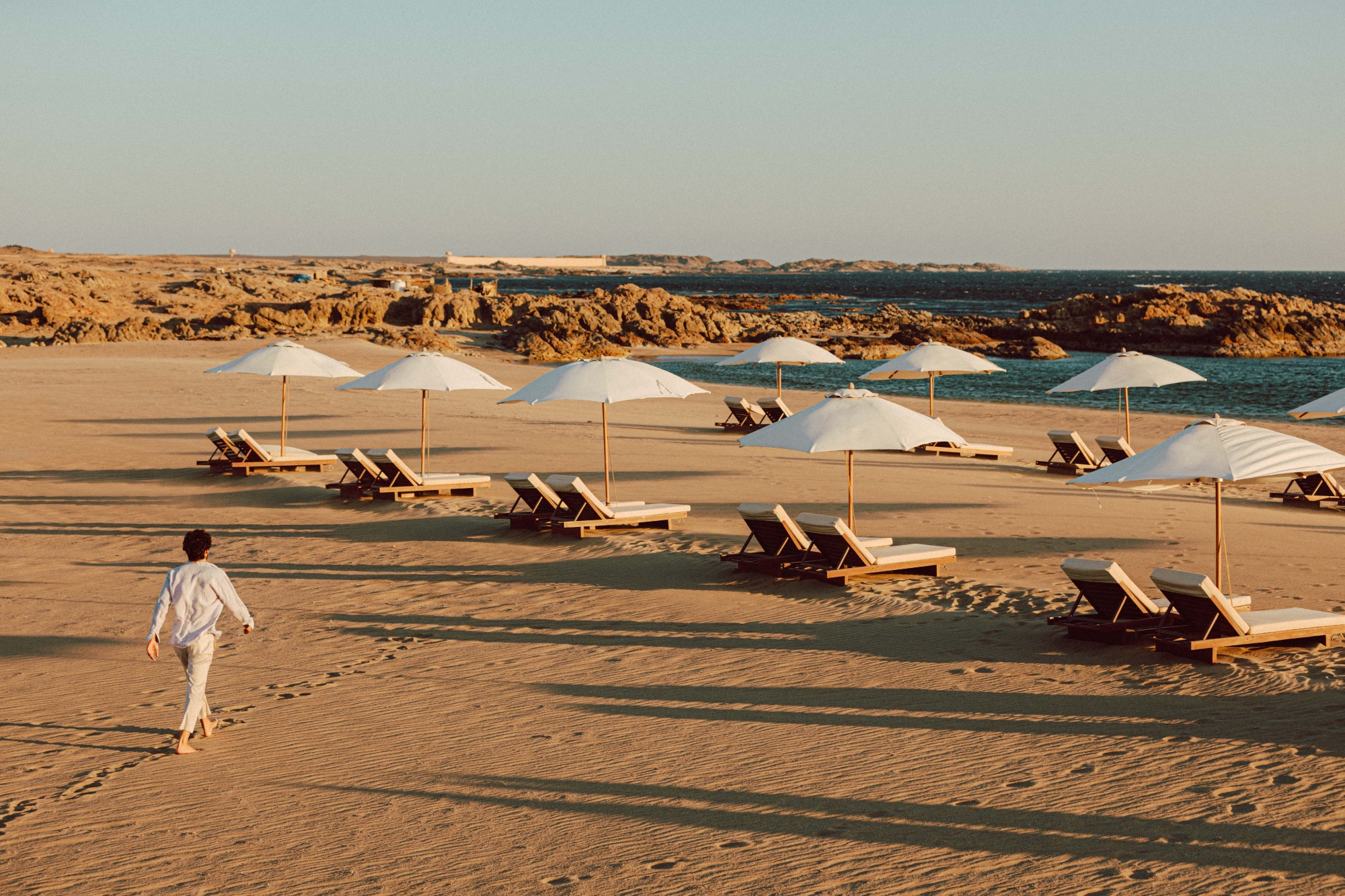
If there’s a journey development rising from the current unrest, it’s that the Gulf’s model of luxurious is maturing — from untouchable fantasy to resilient, refined expertise. The resorts, museums, deserts and seashores stay; solely the lens has shifted. Travellers are not simply visitors within the Gulf — they’re witnesses to its subsequent chapter. A chapter that doesn’t deny historical past, however embraces complexity — and invitations the world to look past the headlines.
For extra on the newest in way of life, tradition and journey reads, click on right here.